
Are you looking to make your ceilings feel higher and your rooms more spacious? This is a common desire for many homeowners, especially those dealing with small spaces. That’s why I created this post. Vertical lines can be a powerful tool in achieving that lofty look. With the right decor strategies, you can manipulate how your space feels and looks without making major renovations.
If you’re someone passionate about home decor or trying to optimize your living area, you’re in the right place. This guide is for you if you’re eager to transform your home into an inviting haven. I’ve gathered ten effective ways to use vertical lines that are easy to implement and can significantly enhance your room’s appearance. Whether you’re redecorating or simply freshening up your space, these tips will help you create the illusion of height and openness.
In this post, you’ll discover practical ideas that range from wallpaper choices to decor tricks, all aimed at making your ceiling look higher. You’ll learn how to incorporate vertical line decor that enhances your room’s design while being stylish. So, let’s jump in and explore how to elevate your home’s interior design!
Key Takeaways
– Vertical Striped Wallpaper: Using vertical stripes on your walls can create a stunning illusion that draws the eye upward, making your ceilings appear higher.
– Tall Bookshelves: Implementing tall bookshelves can elongate the vertical space in your room. They also provide extra storage and display options.
– Vertical Artwork Displays: Hanging art vertically not only adds personality but also directs the viewer’s gaze up, enhancing the feeling of height.
– Use of Mirrors: Strategic mirror placement can reflect light and create depth, making any space feel larger and airier.
– Vertical Garden Walls: Consider adding a vertical garden. It brings nature indoors while utilizing wall space effectively, contributing to a more open atmosphere.
Recommended Products
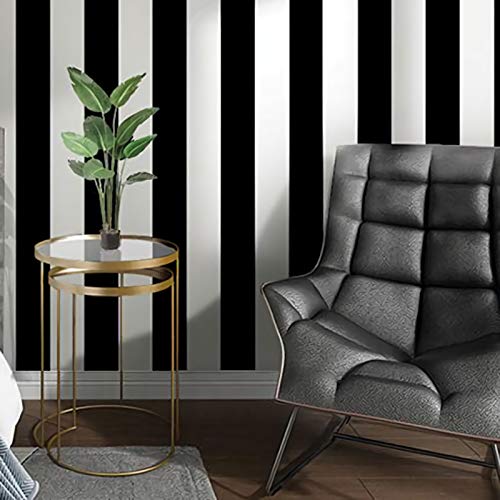
Product Description: Leading fashion trends and embracing minimalist aesthetics, we are proud to introduce this classic black and white vertical striped wallpaper. With its timeless color palette and exquisite design, it adds an unmatched touch of elegance and style to your living or working space.

【Size Information】:Grey striped wallpaper,each roll of wallpaper is 17.3 " wide and 78.7 " long. The coverage area is 9.45 feet. We have three sizes for you to choose from. If you choose to decorate a large area or accent wall, we recommend that you choose the larger size wallpaper for your installation, this is more convenient for your use

🏠DETAILS: Size 15.8 X78.8 Inch , total 8.65 sq.ft(40cmX2m), per vertical wood strip wide: 0.39 inch (1cm) . Self adhesive (no extra glue needed). Made of durable vinyl. Beige striped wallpaper peel and stick, waterproof, oil-proof. removable.
1. Vertical Striped Wallpaper
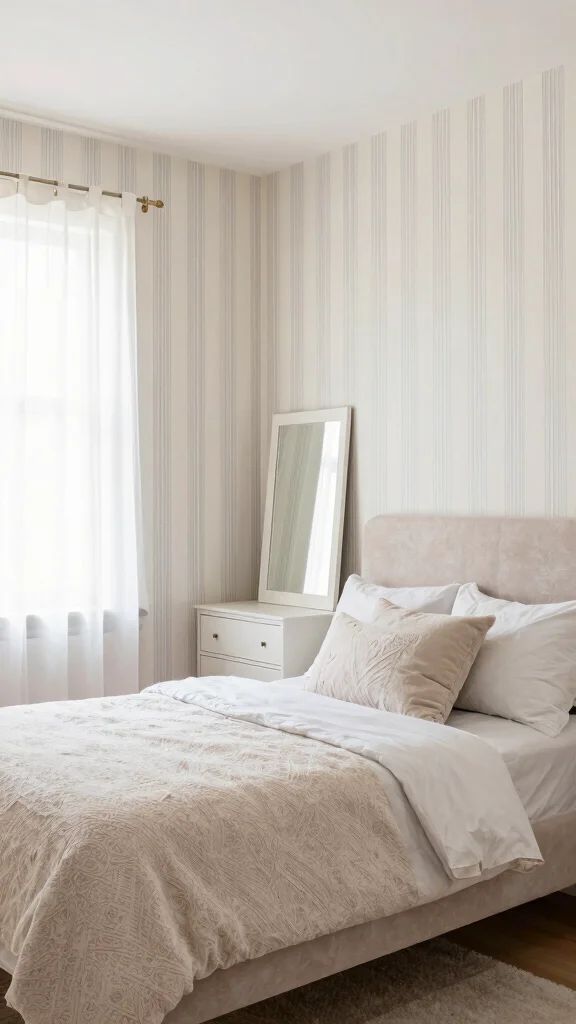
Vertical striped wallpaper can work wonders in making a room feel taller and more open. By selecting lighter colors paired with fine stripes, you can enhance the sense of height and flow. This design draws the eye upward, subtly directing attention to the ceiling and giving the room an airy feel. For a cohesive look, choose patterns that harmonize with your existing decor style, whether it’s modern or vintage.
To implement this idea, consider these practical tips:
– Look for styles with soft textures to add depth.
– Opt for removable options if you’re renting; they’re easy to change.
– Use in narrow areas like hallways for maximum effect.
Incorporating this design element not only elevates your space visually but also creates a striking focal point that can transform the overall ambiance.
Recommended Products

【Important Installation Notice】Not suitable for sloped ceilings or floors with fluffy carpets. If your ceiling is suspended, please ensure it is strong enough to support the unit before installation
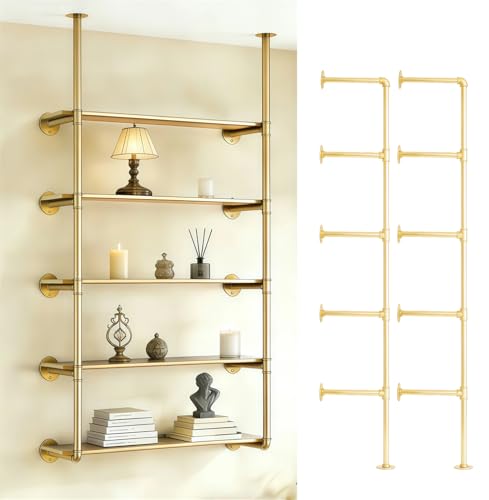
【Material】:Industrial rustic farmhouse DIY iron metal pipe shelving brackets, iron pipe shelving only, not include planks.

Decorative Bookshelves: Turin 5 ft long floating shelves wood are designed to store your large book collection, photos, decorative items, vases and more in style. The rustic book shelf is perfect for a tall bookcase, display, and storage shelf.
Vertical Striped Wallpaper
Editor’s Choice

MFWFM Art Wallpaper 3D Illusion Woman Face Relief Mural Wallpaper for Be…


Vintage Hand Mirror, Vanity Makeup Antique Peacock Travel Handheld Mirro…
2. Tall Bookshelves
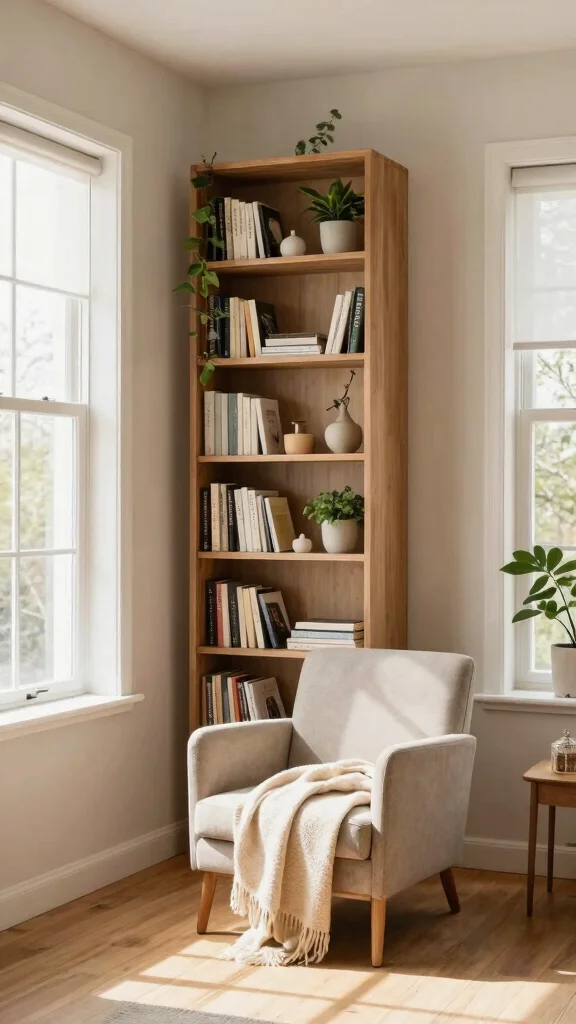
Tall bookshelves serve both form and function, adding elegance and practicality to any room. These towering structures naturally draw the eye upward, enhancing the perceived height of your space. Placing a bookshelf against a wall can break the monotony and create visual intrigue, making your ceilings feel more expansive.
To make the most of this design choice, keep these tips in mind:
– Opt for open shelving to keep things light and airy.
– Organize books and decor by color for a polished look.
– Incorporate trailing plants on top shelves to emphasize height.
By selecting a bookshelf that reaches the ceiling, you can make clever use of vertical space while giving your room a more spacious feel.
Recommended Products

Your cherished memories deserve a timeless frame. Highlight your favorite moments with this sleek black frame, designed to add a refined look to your home or office.

【Size & Function】: 18x24 or 16x20? You decide. Our frame flaunts its flexibility with an included mat, allowing you to choose the fit

Your memories deserve to be displayed with style. Frame your favorite moments in this sleek black frame, designed to showcase oversized photos or art and add a refined touch to your home or office.
📹 Related Video: Never Forget These 4 Things In Building A Perfect Tall Bookcase
Tall Bookshelves
Editor’s Choice

FACBOTALL 82″ Tall Bookshelf, 7-Tier Open Shelves Bookcase, Freestanding…
3. Vertical Artwork Displays
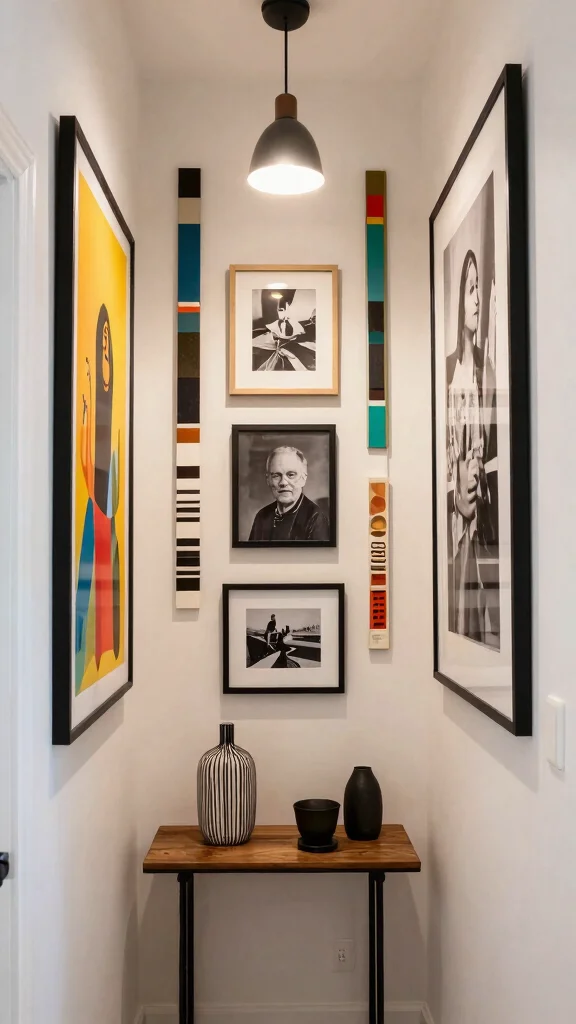
Vertical artwork can dramatically elevate the visual height of your room. Using long, narrow canvas prints or arranging framed pieces vertically can draw attention upward, creating a sense of spaciousness. This technique not only showcases your personal style but also enhances the overall ambiance of the space.
To effectively use this method, consider these suggestions:
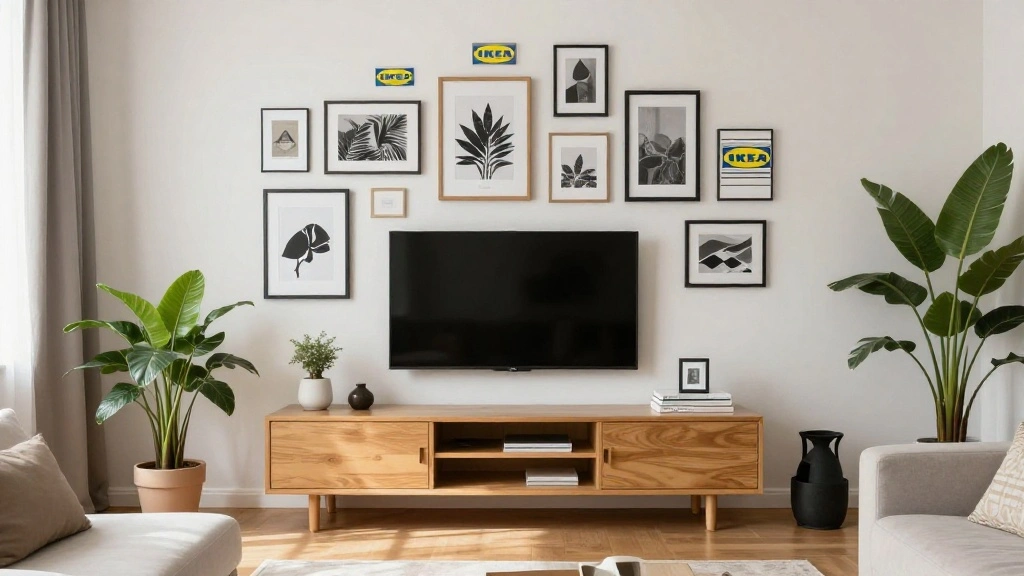
– Create a gallery wall with art hung in a vertical line.
– Layer frames of various sizes to maintain visual interest.
– Choose vibrant colors for a striking effect that won’t overwhelm.
Utilizing vertical artwork not only reflects your personality but also beautifully enhances the illusion of height in your room.
📝 Unlock Your Decorating Potential
Transform your small spaces with inventive ideas to personalize and enhance every corner of your home effortlessly.
How To Use Vertical Lines to Make Your Ceiling Look Higher
Tools You’ll Need:
– Measuring tape
– Level
– Pencil
– Wallpaper or paint (for vertical stripes)
– Tall furniture pieces (like bookshelves or cabinets)
– Wall panels or molding
Step 1: Measure & Prep
Start by measuring the height of your room. This will help you decide how to apply vertical lines. Make sure to mark the dimensions with a pencil on the walls to visualize where your vertical lines will go. Measure twice to avoid mistakes! ✔
Step 2: Choose Your Vertical Line Decor
Decide what type of vertical lines you want to use. Will you choose striped wallpaper, vertical paneling, or tall artwork? Each technique offers a unique way to create a ceiling height illusion. For example, vertical striped wallpaper can instantly draw the eye upward, while tall bookshelves can make your walls appear higher. ✔
Step 3: Paint or Apply Vertical Stripes
If you’re using paint or wallpaper for vertical stripes, ensure you use a level to keep your lines straight. To create a clean look, apply painter’s tape along the edges. This will prevent any paint from bleeding into unwanted areas. Stripe widths can vary; consider 4-6 inches for a modern look. ✔
Step 4: Position Tall Furniture Wisely
Place tall furniture pieces, like bookshelves or cabinets, against your walls. This method not only utilizes vertical space but also draws the eyes upward. Choose furniture that complements your decor and adds height to the room without overwhelming it. ✔
Step 5: Hang Vertical Artwork
Select artwork that is taller than it is wide. Hang these pieces starting at eye level and extend them upward. This creates a visual line that emphasizes the height of the ceiling. Consider creating a gallery wall with multiple tall frames for added effect. ✔
Step 6: Incorporate Vertical Lighting Fixtures
Choose lighting that hangs down vertically, such as pendant lights or chandeliers. These fixtures can add elegance and also draw attention upward. Ensure the lights are hung at appropriate heights so they don’t interfere with movement in the room. ✔
Pro Tip: If you want to enhance the effect even further, consider using light colors for your vertical lines. Light shades reflect more light, which can create a more open and airy feel in your space. Combine this with mirrors to amplify the ceiling height illusion even more! 💡
Using vertical lines effectively can transform a small space into a visually stunning area that feels larger and more inviting. By following these steps, you not only enhance the beauty of your decor but also maximize the height of your ceiling. Enjoy experimenting with different vertical line techniques, and watch how your room comes to life!
Recommended Products

Plant Hanger with 6 Chains : Featuring an extra-long design, this hanging plant holder measures 70.8" in length and includes 6 chains. It’s perfect for large spaces and allows you to hang more plants. Save space and bring greenery into your home with this versatile and stylish plant hanger.


【You will get】Size: 11.4"W x 35.43"H (2 Pcs)丨(Plants, flowers, pots & decor not included.) Material & Color: Premium solid wood (no particle board), carbonized for a rich dark brown finish, enhanced durability, and striking natural grain.
Vertical Artwork Displays
Editor’s Choice
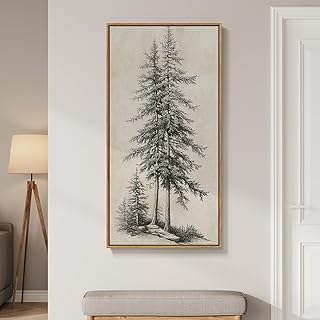
Framed Vertical Vintage Sketch Tree Living Room Wall Art, Large Black Be…

4×6 picture frames, Solid Rustic Wooden Photo Frames with Walnut Wood Ba…

KURUI 303Pcs Picture Hanging Kit, Picture Hangers Assorted Kit with Heav…
4. Use of Mirrors
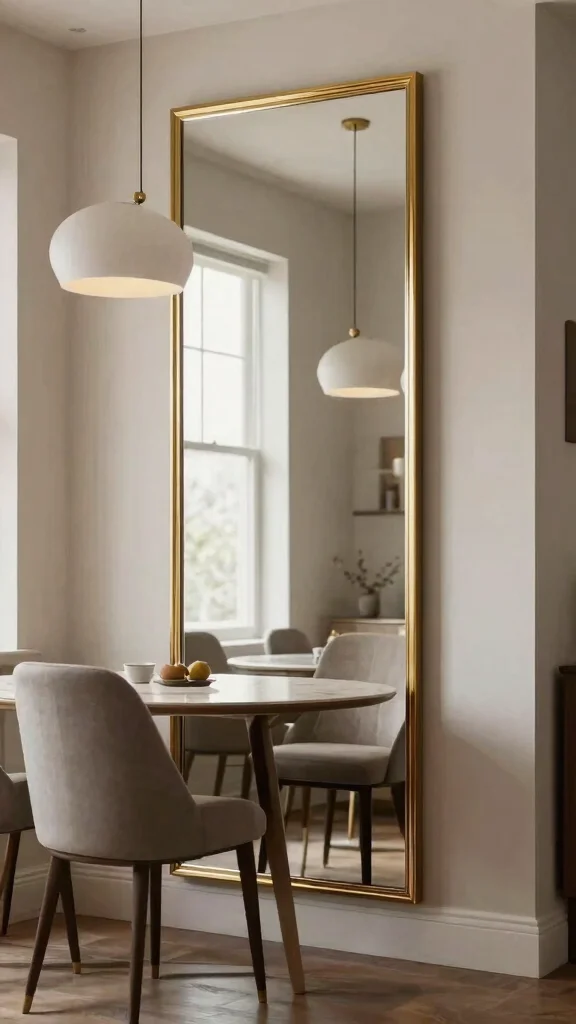
Tall mirrors are excellent design tools that can transform small spaces by creating an illusion of depth and height. Placing a large mirror vertically on a wall can reflect vertical lines, thus enhancing the feeling of spaciousness and openness.
For the best results, keep these tips in mind:
– Choose frames that match your decor style, from vintage to contemporary.
– Position mirrors across from windows to capture and amplify natural light.
– Consider adding mirrored furniture to carry the theme throughout.
With thoughtful placements, mirrors can significantly expand your room’s visual appeal and make it feel more inviting.
Fun fact: a tall mirror placed vertically can visually add up to 2-3 feet of perceived height. Position it across from a window to double the light and amplify vertical lines, to make the ceiling look higher.
Recommended Products

UNIQUE RAINBOW DESIGN: Elevate your space with our unique watercolor stripe design. Featuring a spectrum of hand-painted style hues, these vertical rainbow stripes create an artistic, modern atmosphere that brightens any room, making it the perfect focal point for creative minds.

Size & Material: 17.3" x 197"/Roll peel and stick wallpaper, made of vinyl, waterproof, removable, and repositionable with no sticky residue

Pattern & Size: Timeless beige and white vertical stripes deliver soft neutral aesthetic. Straight‑match pattern allows seamless splicing for neat continuous visual effect. The wallpaper measures 17.5" x 102", covering an area of 12.4 square feet
Use of Mirrors
Editor’s Choice

DUMOS 64″x21″ Arched Full Length Floor Mirror, Full Body Mirror with Sta…
Blulu 20 Pack Mirror Holder Clips, Offset 0.24 Inch/ 6 mm, Glass Mirror …

Peel and Stick Wallpaper Borders 390” x 4” Self Adhesive Mirror Fram…
5. Vertical Line Patterns on Fabrics
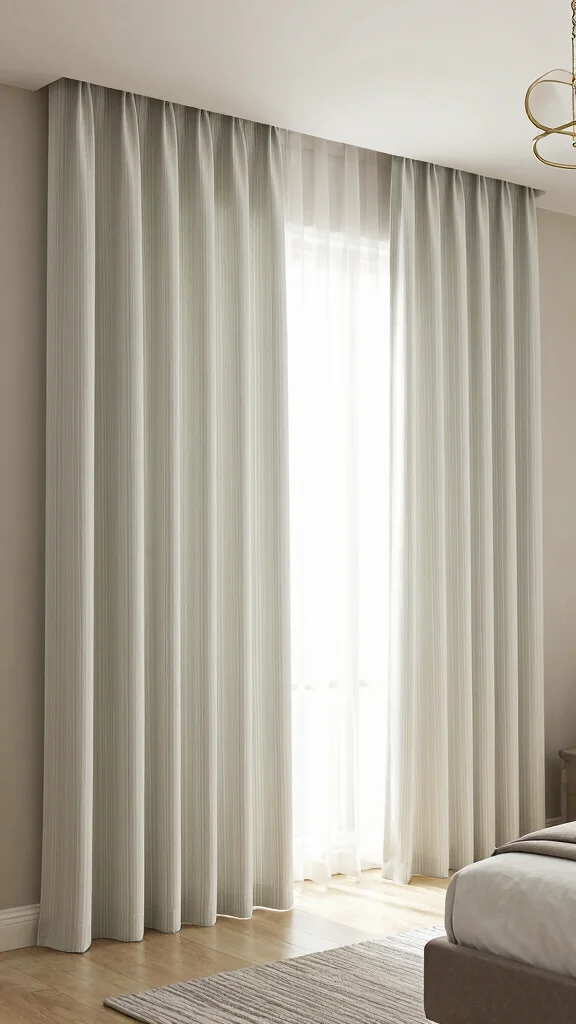
Integrating vertical line patterns in your textiles can effectively enhance the perception of height within your space. Look for bold vertical designs in curtains, rugs, and upholstery that elongate walls and furniture, creating a more spacious atmosphere.
Here are some practical applications to consider:
– Choose floor-to-ceiling curtains with vertical patterns to draw the eye upward.
– Find area rugs with elongated prints to visually expand the floor area.
– Mix and match fabrics for a cohesive yet dynamic look.
By embracing vertical patterns in your textiles, you’ll not only add sophistication but also contribute to the illusion of a taller room.
Recommended Products

[Perfect Floating Book Shelves] Floating book shelves for wall set of 3 (17 Inches Long & 8 Inch Deep) are perfect for creating additional storage without taking up floor space. They can be installed at various heights, allowing you to customize your wall shelving setup according to your needs. These wall book shelves are ideal for storing books, plants, or personal items like pictures, photo albums, collectibles etc.

Perfect Height for Young Users:This kids bookshelf stands at 110cm (43.9in) – a kids bookshelf built for easy book access. A kids bookshelf encourages independent use, fostering reading habits and reducing clutter. Ideal for story time, this kids bookshelf creates a dedicated learning or play area.

Universal Compatibility: Mount any standard speaker with ease! These versatile speaker mounts fit most bookshelf and satellite speakers, perfect for wall or ceiling installations in home theaters or studios
You might also like

Vertical Line Patterns on Fabrics
Editor’s Choice

jinchan Eden Floral Washable Runner Rug 2×6 Vintage Hallway Rug Non-Slip…

105 Inch Extra Long Curtains Boho Cream Semi Sheer Light Filtering Curta…

Erosebridal Green and Pink Striped Flannel Fabric By the Yard Modern Irr…
6. Vertical Paneling
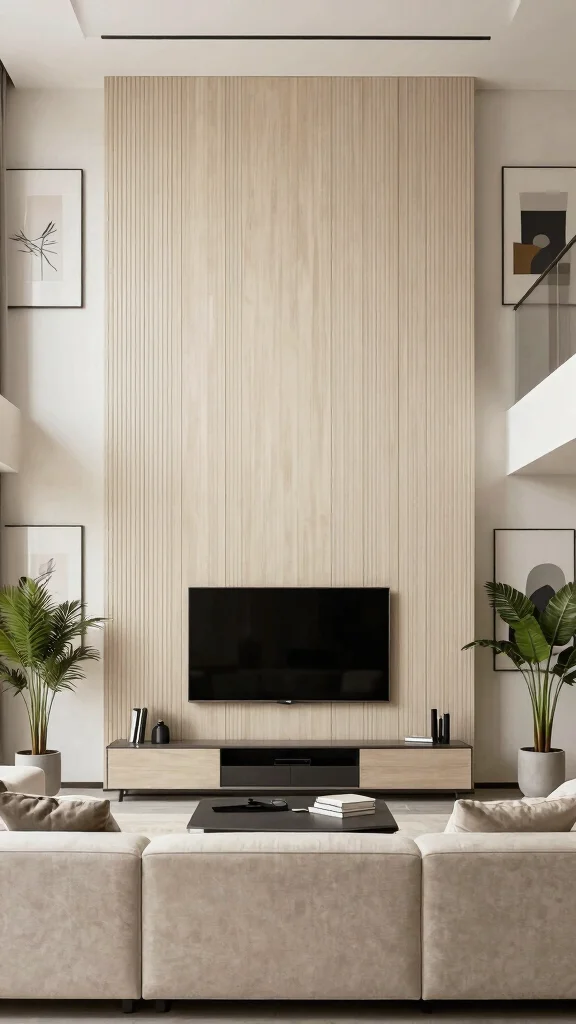
Vertical paneling is experiencing a stylish resurgence, ideal for adding height to any room. Whether using wood or painted options, vertical lines can dramatically change how a room feels, infusing it with texture and depth.
Consider these tips for implementation:
– Try tongue-and-groove boards for a rustic touch.
– Paint paneling in light hues to keep the atmosphere airy.
– Explore faux paneling as a budget-friendly alternative with a striking effect.
By incorporating vertical paneling, you can effortlessly enhance both the height and character of your space.
Fun fact: vertical paneling can visually heighten a room—paint it in light tones to make the ceiling look higher by up to 2 inches. When you pair tongue-and-groove boards with airy colors, the space feels instantly more spacious.
Recommended Products

【One Frame, Two Sizes】 Each 11x14 picture frame fits 8x10 photos with the mat or 11x14 prints without the mat. Industry standard keeps the opening 0.5" smaller to prevent slipping. One frame covers both

Your cherished memories deserve a timeless frame. Showcase your favorite moments with this sleek picture frame, featuring a black woodgrain-inspired finish, designed to add a refined touch to your home or office.

Elegant Grey Woodgrain Frame: Elevate your precious memories with these elegant 5x7 Grey wooden-grain photo frames, crafted from high-quality composite wood for a timeless and sophisticated look.
Vertical Paneling
Editor’s Choice

NeatiEase Wood Panels for Wall, 4-Piece 96″ x 12.6″ Soundproof Wood Slat…

YU LI 3DH Peel and Stick PVC Slat Wall Panel 236″x15.75″ Self-Adhesive T…

EVOLVE Paint & Primer: Environment-friendly, Low Sheen with One-coat Cov…
7. Ceiling Beams
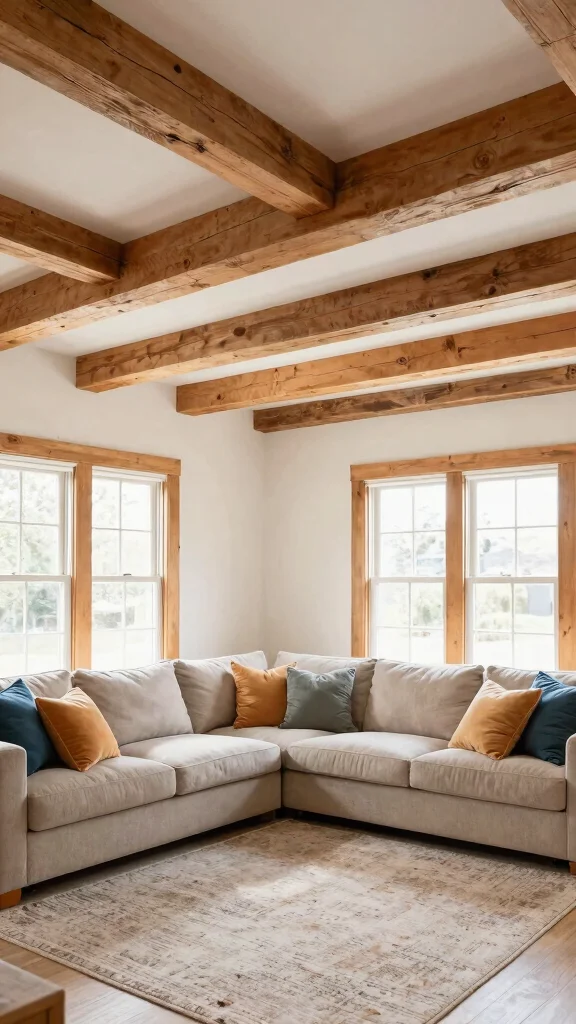
Ceiling beams add a unique architectural element that can elevate the perception of height in a room. Whether you choose to paint them or leave them natural, ensure they run horizontally to accentuate the vertical lines around them.
To maximize this effect, consider these options:
– Light-colored beams help maintain an open feel while adding structure.
– If dealing with low ceilings, faux beams can achieve a similar look without the height.
– Match the beams to your room’s style, whether rustic or modern.
Adding ceiling beams can create a stunning focal point while making your room feel more expansive.
Recommended Products

Elegant LED Mirror Full Length: 16" x 60" LED stand up mirror provides a perfect full-body view, ideal for daily outfit checks or adding a touch of elegance to your home. The sleek, modern design fits seamlessly with any decor, bringing both style and functionality to your space
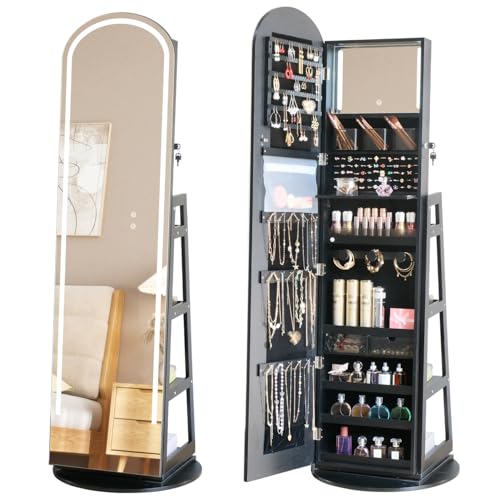
Arched Swivel Jewelry Armoire Cabinet,The jewelry cabinet has HD LED full-length mirror clearly reflects every detail. features a full-length mirror with built-in 3-color LED lights (cool white, warm white, warm yellow), allowing you to check your outfit or do your makeup in adjustable lighting. Ideal for use as a lighted dressing mirror or bedroom floor mirror

14 Bulbs Vanity Lights for Mirror: PC material lampshade, 160 degree beam angle; Adjustable color temperature 3000k-6000k warm cool white light, natural and soft light, meet your makeup lighting needs in different scenes
Ceiling Beams
Editor’s Choice

Zinnser 03688 Covers Up Stain Sealing Ceiling Paint, White

Heritage Timber Salvaged Timber Faux Wood Beam, 3-Sided (U-Beam), 5 1/2″…
8. Vertical Lighting Fixtures
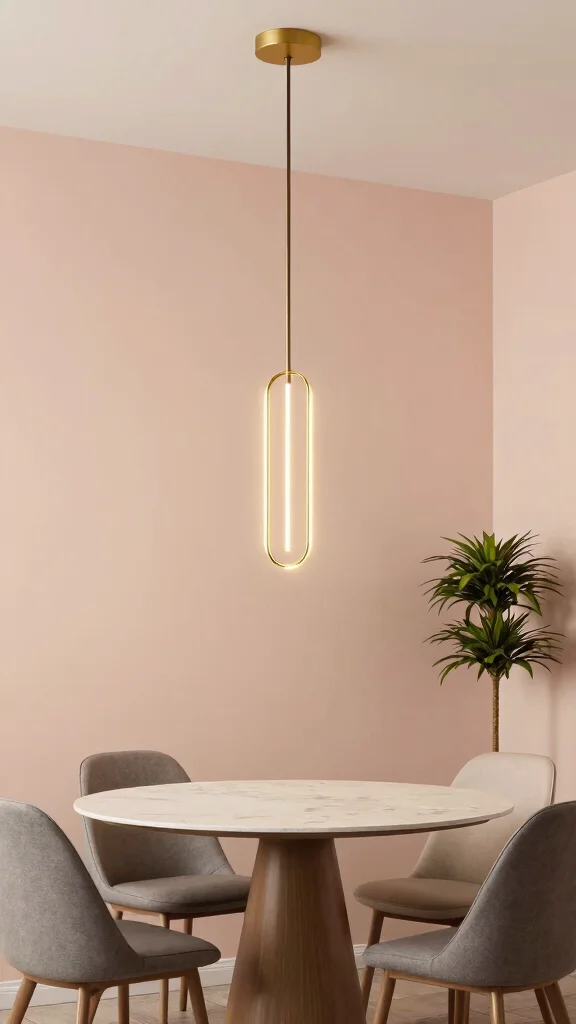
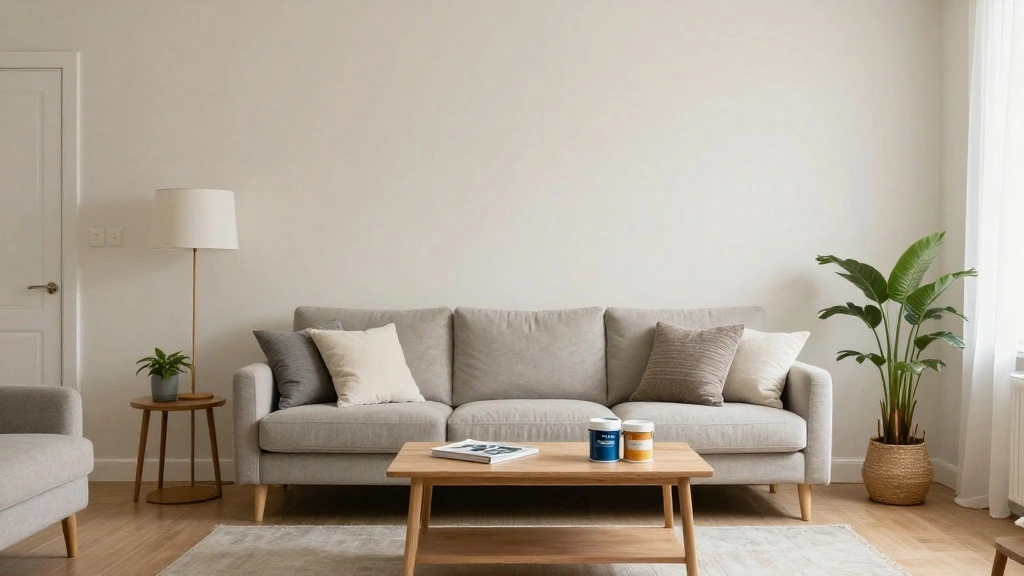
Incorporating vertical lighting fixtures, such as tall lamps or pendant lights, can significantly enhance the sense of height in a room. These fixtures draw the eye upward while providing essential illumination.
Here are some practical tips for choosing fixtures:
– Select statement floor lamps with slender bases and interesting shades.
– Choose pendant lights that hang low to create a beautiful vertical focal point.
– Ensure your lighting aligns with your overall decor theme for a harmonious look.
Using vertical lighting can transform your space, highlighting the vertical lines you’ve worked hard to create.
Fun fact: Vertical lighting fixtures can make ceiling look higher by drawing the eye upward. Use slender floor lamps and low-hanging pendants to create a vertical focal point that adds height without crowding the room. Practical tip: balance scale with shade shapes to keep things cohesive.
Recommended Products

Grow 36 Plants:This indoor PVC-U pipe hydroponic system lets you grow up to 36 plants vertically, saving space and perfect for herbs, leafy greens, and strawberries. Ideal for high veggie demands or creating a diverse home garden oasis
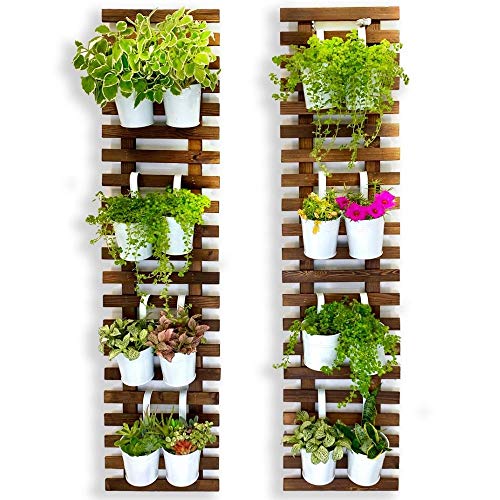
29x120cm (11.4" x 47.2") x 2 pcs. Plants, flowers, pots, decorations are NOT included

Officially Licensed
You Might Also Like

Vertical Lighting Fixtures
Editor’s Choice

Wio-Mio Floor lamp, 15w/1000lm Bright LED Floor Lamp with Stepless Adjus…

Modern Floor Lamp Simple Design with White Shade, Foot Pedal Switch, 60″…

Industrial Pendant Light INNOCCY Edison Hanging Cage Pendant Lights E26 …
9. Vertical Garden Walls
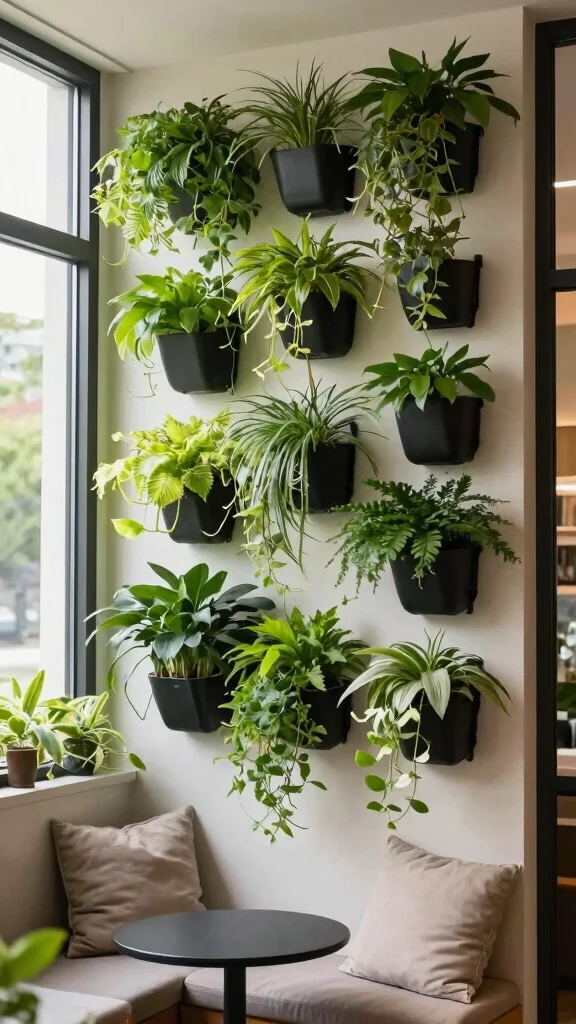
Transforming a wall into a vertical garden not only adds aesthetic appeal but also infuses your space with life. Arranging plants vertically brings a refreshing vibe while enhancing the feeling of height.
To create your vertical garden, keep these ideas in mind:
– Utilize wall-mounted planters or trellises for a structured look.
– Choose plants that grow upward for instant height appeal.
– This can also serve as a beautiful natural divider in open spaces.
A vertical garden wall offers air purification benefits while creating a unique statement piece in your home.
Vertical Garden Walls
Editor’s Choice

Aokrean Plant Grow Light, 48 LEDs Full Spectrum Grow Lights for Indoor P…

TOREVSIOR 5-Tier Vertical Raised Garden Bed, Vertical Garden Planter wit…

6-Pack Metal Wall Trellis for Climbing Plants, Heavy-Duty Hexagon Vine S…
10. Vertical Dividers
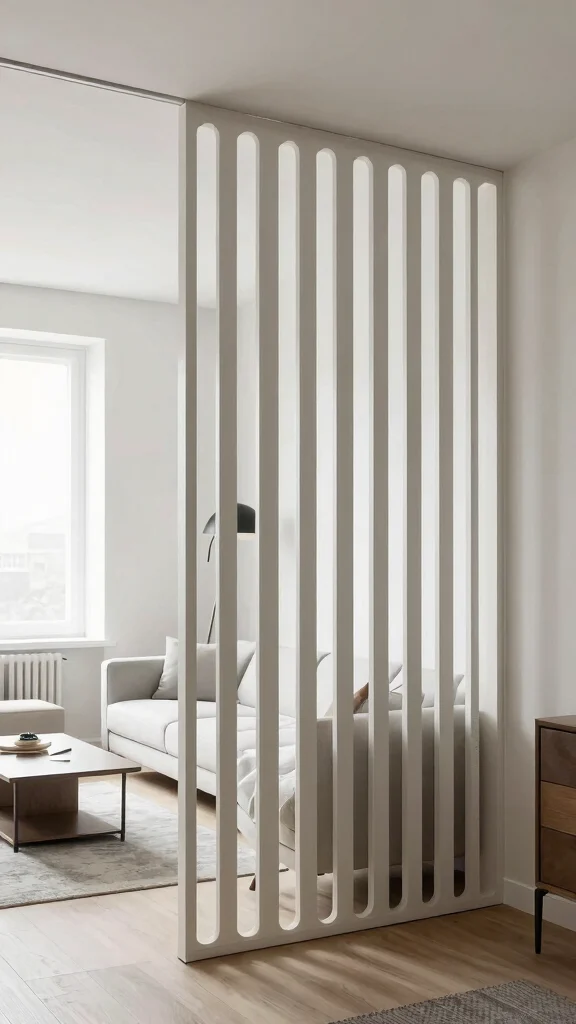
Vertical dividers effectively define spaces while emphasizing height. These can be simple room dividers, tall bookcases, or decorative screens that stretch to the ceiling.
For the best results, consider these tips:
– Choose airy dividers to keep the room from feeling crowded.
– Select decorative screens with vertical motifs to add texture and visibility.
– This method can help segment areas in studio apartments without sacrificing light.
By incorporating vertical dividers, you can create privacy and functionality while preserving a sense of spaciousness.
Vertical Dividers
Editor’s Choice

Roundhill Furniture Oriental Shoji 4 Panel Screen Room Divider, Natual
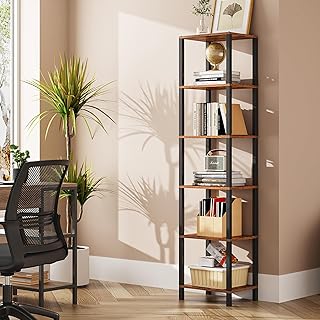
TUTOTAK Bookshelf, 6-Tier Tall Book Shelf, Narrow Bookcase for Small Spa…
Conclusion
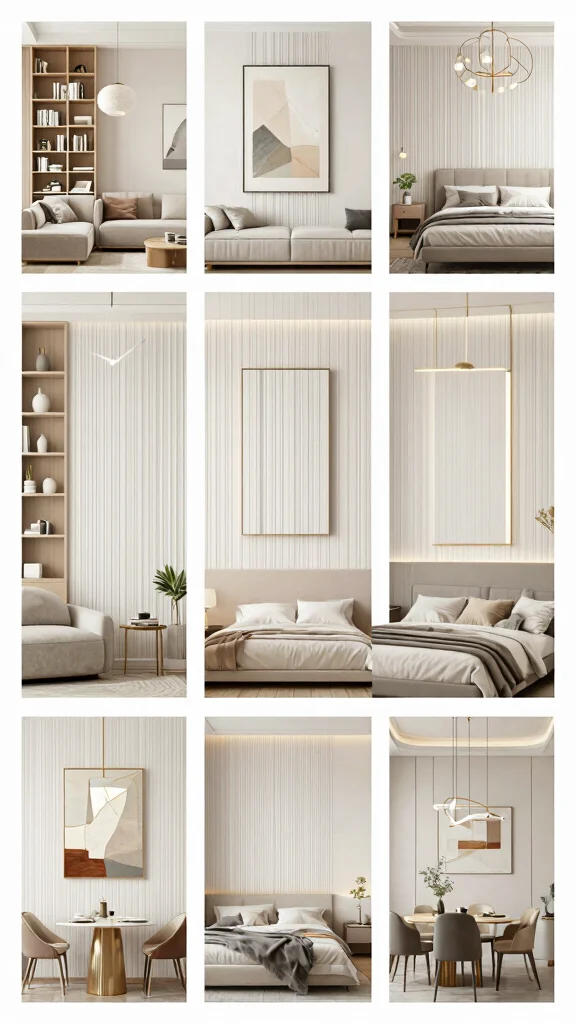
Using vertical lines in your home decor can dramatically alter the perception of space, making your ceilings look higher and your rooms feel more expansive. From wallpaper to lighting, each of these techniques brings a unique flair to your interior design.
Explore these ideas to elevate your small space and create an environment that feels both stylish and inviting. Embrace the vertical and watch your rooms come to life!
Note: We aim to provide accurate product links, but some may occasionally expire or become unavailable. If this happens, please search directly on Amazon for the product or a suitable alternative.
This post contains Amazon affiliate links, meaning we may earn a small commission if you purchase through our links, at no extra cost to you.
Frequently Asked Questions
How do vertical lines visually make a ceiling look higher?
Vertical lines draw the eye upward, creating a ceiling height illusion and making the space feel larger. To nudge the effect toward make ceiling look higher, try these practical moves: paint the ceiling a shade lighter than the walls; install floor-to-ceiling curtains or blinds; use vertical striped wallpaper or paneling on walls; and incorporate tall, slim furniture or wall mirrors placed to emphasize verticals. Keep lines continuous from floor to ceiling to maximize the effect and avoid visual clutter. Start with a single feature you love and build on it.
What are easy vertical line decor ideas for small spaces?
Small spaces benefit from tall, narrow vertical accents. Here are easy vertical line decor ideas that work: floor-to-ceiling curtains, tall mirrors, slim bookcases, vertical striped wallpaper on one feature wall, vertical artwork or tapestries, and wall panels that run top to bottom. Pair with light colors and consistent line direction for cohesion. Start with one feature wall to avoid visual overload, then add a second if the space can handle it.
How can color and pattern boost the ceiling height illusion?
Color and pattern can amplify the ceiling height illusion. Favor a ceiling that’s a shade lighter than the walls, or a soft, cool tone for airiness. Use subtle vertical patterns or stripes on one wall or ceiling to guide the eye upward without overwhelming the space. Avoid heavy, wide patterns that visually compress the room. In terms of interior design techniques and room design tips, restraint is the key—start with one vertical feature and expand only if the space remains calm.
Which furniture placements support vertical line design in small rooms?
Choose tall, slim pieces that echo verticals—think floor-to-ceiling shelves, narrow consoles, tall plants, and vertical-framed mirrors. Mount lighting and art vertically aligned. Keep major seating away from blocking the lines and avoid placing heavy furniture against a wall with a vertical feature; allow the vertical cue to run uninterrupted from floor to ceiling. This uses decor tricks that align with room design tips and interior design techniques.
What common mistakes should I avoid when applying vertical lines?
Common mistakes include overloading a room with too many vertical elements, using bold oversized patterns that fight with the space’s scale, and failing to align lines cleanly at edges. Also avoid placing vertical features where lighting creates harsh shadows or where lines break abruptly. Start with one or two well-scaled features, check how the light plays across them, and adjust calmly. Remember, thoughtful decor tricks and careful alignment make a big difference in vertical line decor success.
Related Topics
home decor
vertical line decor
ceiling height illusion
small space design
room design tips
decor tricks
interior design techniques
minimalist style
easy updates
budget friendly
quick tips
decorating small rooms