
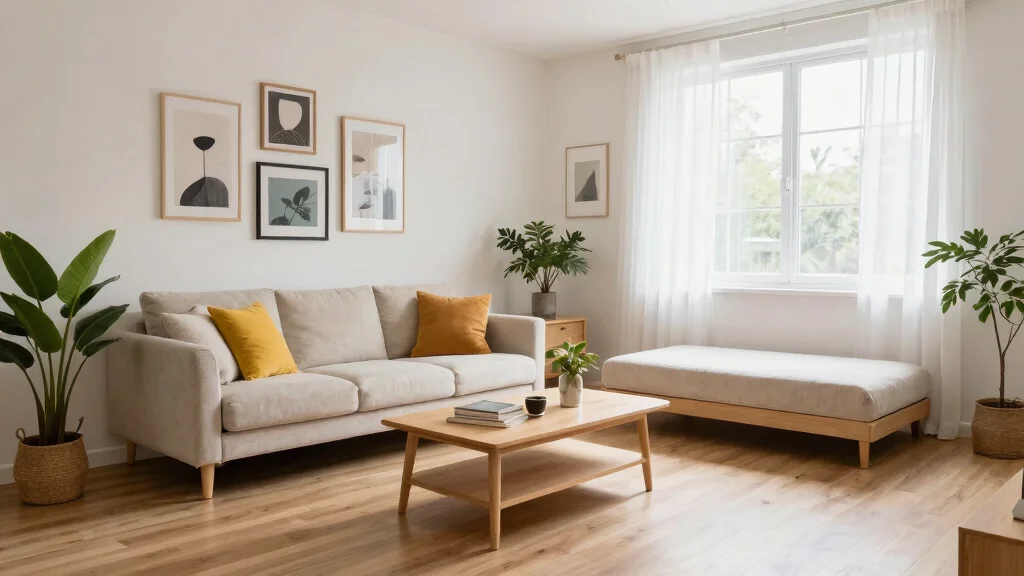
When it comes to designing small rooms, the challenge is real. You might feel overwhelmed with how to make your studio apartment or cozy nook comfortable without making it feel cramped. That’s why I created this guide. I want to help you discover ways to open up your space and make it feel larger than it is.
If you’re someone who loves home decor but struggles with small room decor, you’re in the right place. You want your space to reflect your style while remaining functional, and that can be tough. I pulled together eight practical tips that are simple, effective, and perfect for creating the illusion of more space in your home.
Get ready to learn about the best small space design tricks! From choosing the right color schemes for small spaces to incorporating multifunctional design solutions, you’ll find actionable insights that you can implement right away. Let’s dive into these creative strategies and transform your small room into a stylish sanctuary.
Key Takeaways
– Use a light color palette to brighten your space and create a feeling of openness. Consider whites, soft pastels, and light neutrals for your walls and furniture.
– Incorporate mirrors in home decor to reflect light and create depth. Strategically placing mirrors can make your room feel much larger than it actually is.
– Opt for space-saving furniture like foldable tables or a Murphy bed. Multifunctional furniture helps maximize functionality without cluttering your space.
– Keep your floors clear to avoid a cramped feel. Limit the number of items in your room and choose lightweight, easily movable furniture.
– Embrace vertical space by utilizing shelving and tall bookcases. This draws the eye upward and creates the illusion of higher ceilings.
1. Choose a Light Color Palette

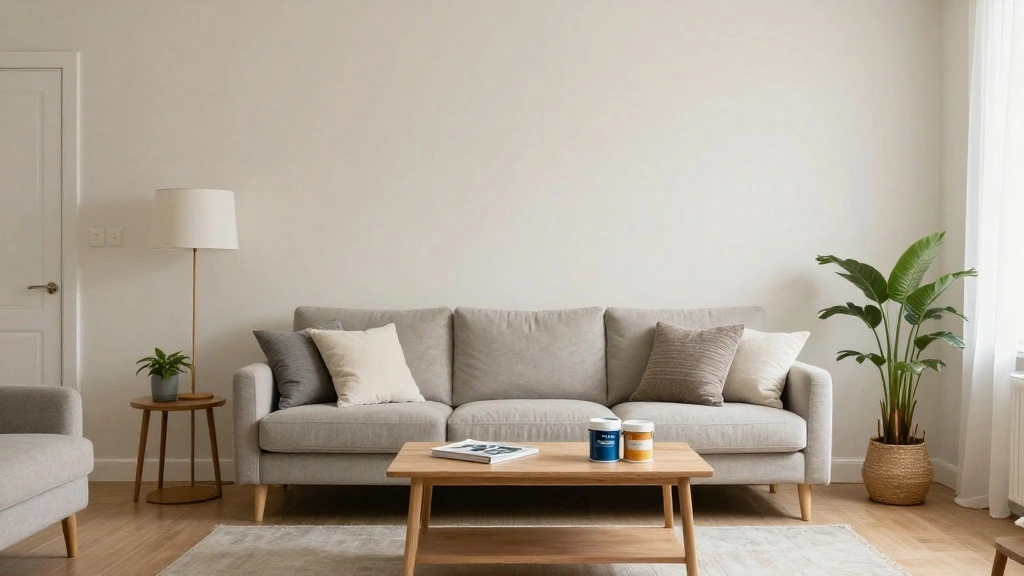
A light color palette is essential for making small rooms feel more expansive and inviting. Light shades, such as soft whites, gentle grays, and pastel hues, naturally reflect light, creating an illusion of space and openness. When you paint your walls in these airy colors, your small apartment can instantly feel brighter and more inviting, especially when combined with natural light streaming through the windows.
To enhance this effect, consider using slightly darker shades for accents, such as furniture or decor pieces, to add depth without overwhelming the room. This layering of colors creates visual interest while maintaining a serene atmosphere.
Here are some tips for choosing colors:
– Stick to one or two primary colors with variations for harmony.
– Incorporate various textures through fabrics or decorations for depth.
– Use bright colors sparingly to maintain a calm vibe.
This strategy not only creates a cohesive look but also transforms your space into a tranquil retreat after a long day.
Choose a Light Color Palette
Editor’s Choice

Rust-Oleum 214944 Specialty Reflective Finish Spray, 10 oz


MIULEE Boho Farmhouse Sage Green Throw Pillow Covers 18×18 Inch Set of 4…
2. Use Mirrors to Create Depth

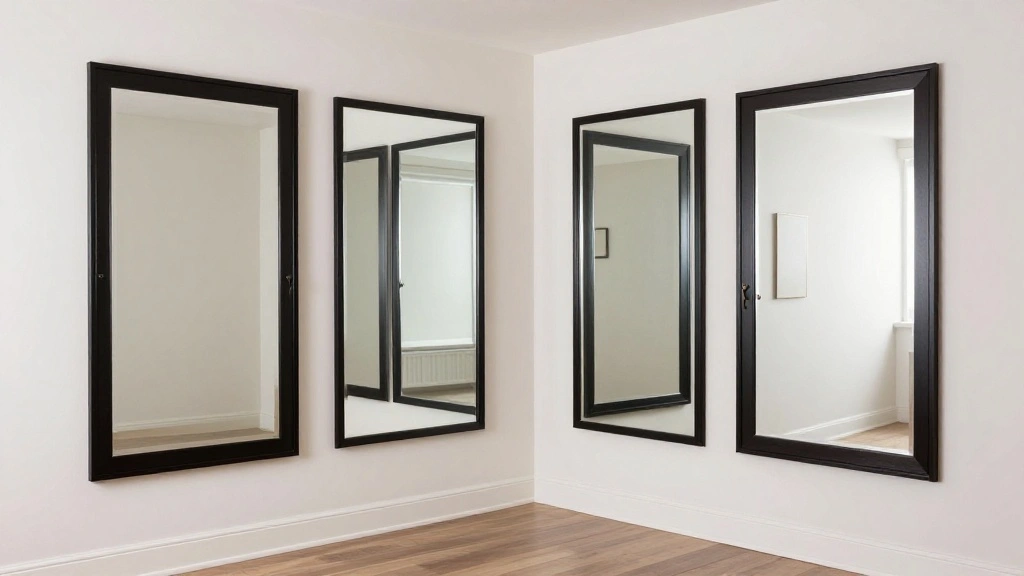
Mirrors are incredibly effective in small spaces, offering a simple way to create depth and a sense of openness. When placed strategically, they can reflect light and views, enhancing the overall spaciousness of your room. For instance, a large floor mirror can double as a stunning decor piece while making the room appear larger.
Consider using a mirrored accent wall or decorative mirrors to add an artistic touch. They not only serve a functional purpose but also bring elegance to your decor.
Here are some great ways to integrate mirrors:
– Hang mirrors across from windows to capture and reflect natural light.
– Use decorative mirrors in various shapes and sizes for an eclectic look.
– Incorporate mirrored furniture pieces like coffee tables for added style.
Keep in mind not to overcrowd your space with mirrors; select a few standout pieces that enhance your decor without making the room feel cluttered.
📹 Related Video: The Right Way to Use Mirrors in Small Spaces
Use Mirrors to Create Depth
Editor’s Choice

VINGLI Mirrored End Table with Drawer Silver Modern Nightstand/Bedside/A…

Antok Arched Full Length Mirror, 71″x28″ Floor Mirror with Carved Frame,…

AAZZKANG Wall Mirror Black Rectangle Mirrors for Wall with Wood Framed D…
3. Opt for Multifunctional Furniture
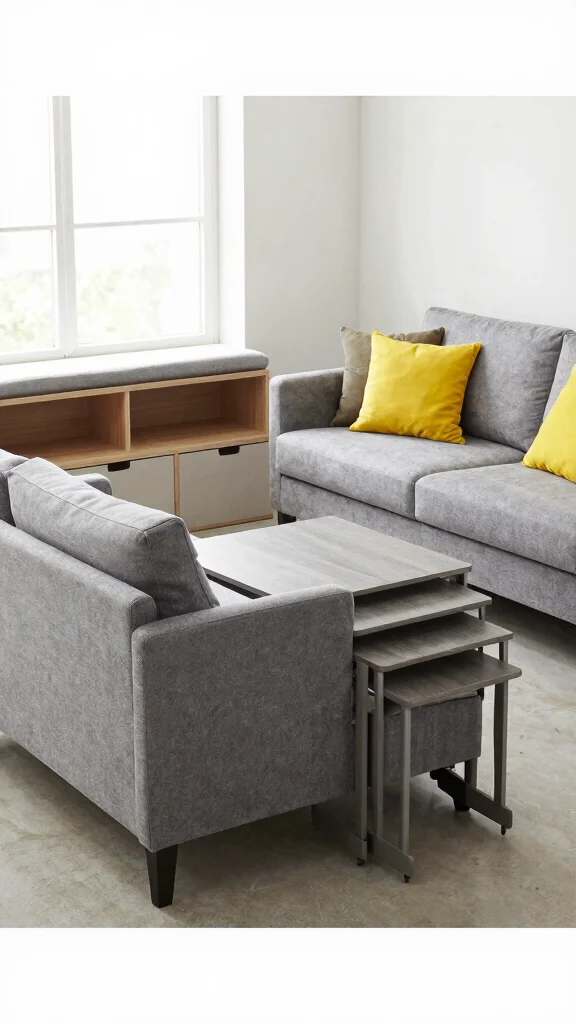
In small living spaces, every piece of furniture should serve a purpose. Multifunctional furniture is a game-changer, allowing you to maximize your space while keeping it stylish. Imagine a sofa bed that transforms into a guest bed or an ottoman that contains hidden storage.
These innovative solutions not only save space but also add practicality to your small room decor. Pieces like Murphy beds or nesting tables can make a big impact on how you utilize your space.
Consider these multifunctional options:
– Invest in a Murphy bed that folds up when not in use.
– Use nesting tables that can be tucked away as needed.
– Incorporate storage benches for seating and stowing belongings.
These versatile designs create an elegant yet functional atmosphere, ensuring your space feels organized and open.
Opt for Multifunctional Furniture
Editor’s Choice

COMAX Futon Sofa Bed, 4‑in‑1 Convertible Sofa Bed, Folding Boneless …

Pipishell Nightstands Set of 2, Bamboo Stackable Bedside Table, Night St…

WUTUTUEE 41″ Faux Leather Storage Ottoman, Stitch Tufted Rectangle Uphol…
4. Keep Your Floors Clear
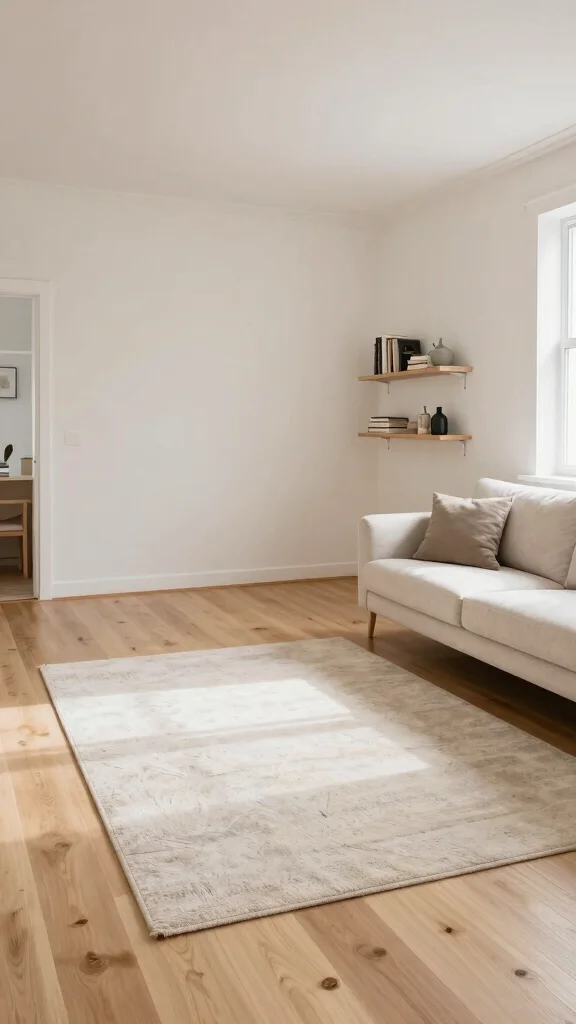
A simple yet effective strategy for small rooms is to keep your floors clear. A clutter-free floor creates an open and inviting atmosphere, allowing the space to flow naturally. Adding area rugs can help define different zones without overwhelming the visual landscape of your room.
Choose rugs that add warmth without dominating the space. This will help maintain a sense of openness while providing comfort underfoot.
Here are some additional tips for floor care:
– Use vertical storage solutions like shelving to lift items off the ground.
– Select slim furniture designs that don’t crowd the floor.
– Choose furniture with legs to create visual continuity and spaciousness.
By embracing this principle, you can maintain an airy and light feel throughout your apartment.
You might also like

🏡 Transform Your Space Today!
Unleash your creativity with The Renter’s Decorating Journal and personalize your small space beautifully and effortlessly.
Keep Your Floors Clear
Editor’s Choice

Fluffy Rug Shag Area Rug, Black 2×4 Area Rugs for Bedroom, Small Bedside…
5. Embrace Vertical Space

When floor space is at a premium, utilizing vertical space becomes crucial. By creatively using your walls, you can free up valuable square footage while enhancing the perception of height in your room. This technique helps draw the eyes upward, creating a feeling of spaciousness.
Consider adding tall bookshelves or hanging artwork higher on the walls to maximize your vertical assets. Floating shelves can showcase decor items without taking up floor space.
Here’s how to embrace vertical space:
– Hang large art pieces above furniture to draw the eye upward.
– Use vertical plant stands to introduce greenery without clutter.
– Incorporate oversized mirrors or art that adds height and maintains openness.
By focusing on vertical elements, you can create a dynamic and visually appealing interior that feels more expansive.
Fun fact: Vertical storage can free up up to 30% of floor space in small rooms. These small space design tricks—tall bookshelves and floating shelves—draw the eye upward, making the area feel taller and bigger. Embrace vertical space and your space instantly grows.
Embrace Vertical Space
Editor’s Choice

BAMEOS Floating Wall Shelves 24 x 6 Inch – Easy-Install Hanging Shelve…

VIYYIEA Vintage Gold Framed Wall Art, Sketch Birds Canvas Painting, Cute…

FACBOTALL 82″ Tall Bookshelf, 7-Tier Open Shelves Bookcase, Freestanding…
6. Use Smart Storage Solutions
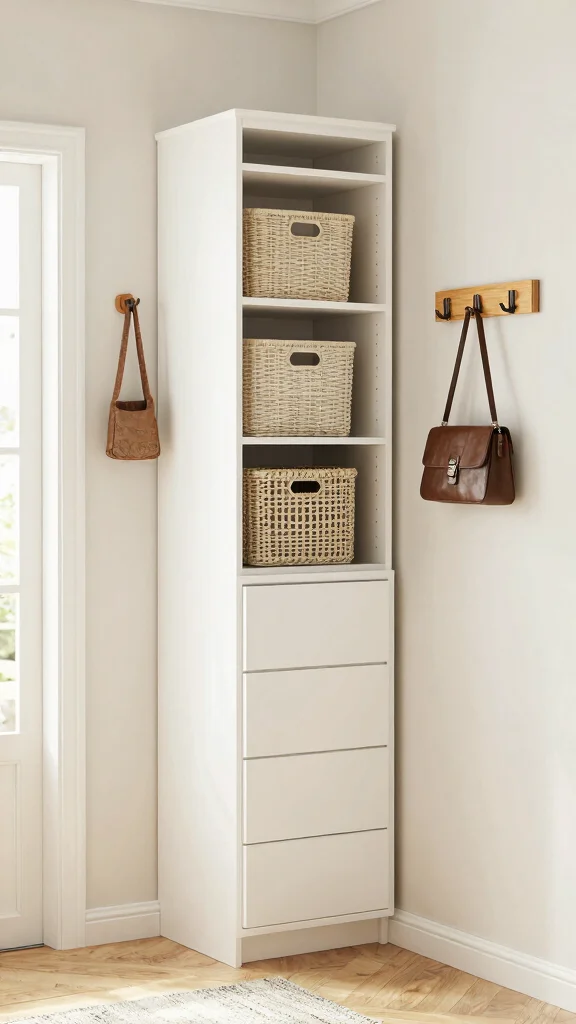
Limited storage is often a challenge in small apartments, but creative storage solutions can help you stay organized and stylish. Smart storage options not only keep your belongings tidy but also enhance the aesthetic of your space. Think about using under-bed storage or furniture that doubles as storage to maximize efficiency.
Explore innovative ideas like tall dressers for vertical storage or wall-mounted hooks for bags and accessories. These solutions make it easy to maintain a clean, clutter-free environment.
Consider these effective storage ideas:
– Utilize a tall dresser to maximize vertical space.
– Implement wall-mounted organizers for easy access to items.
– Use decorative baskets to store small items while looking stylish.
By managing your storage wisely, you can create a welcoming environment that feels larger and more inviting.
Smart storage isn’t just about hiding clutter—it’s design, too. Use under-bed storage or furniture that doubles as storage to keep the space neat and stylish. With vertical storage and wall-mounted hooks, small space design tricks become your daily win.
Use Smart Storage Solutions
Editor’s Choice

GWAAZXGZ Coat Rack Wall Mount Hooks – 15 Inch Matte White Metal 6-Hook O…

Amazon Basics Under Bed Storage Bags for Clothes and Blankets, Foldable …

5 Drawers Dresser for Bedroom, 45.7″ Tall Large Dresser & Chests of Draw…
7. Incorporate Natural Elements
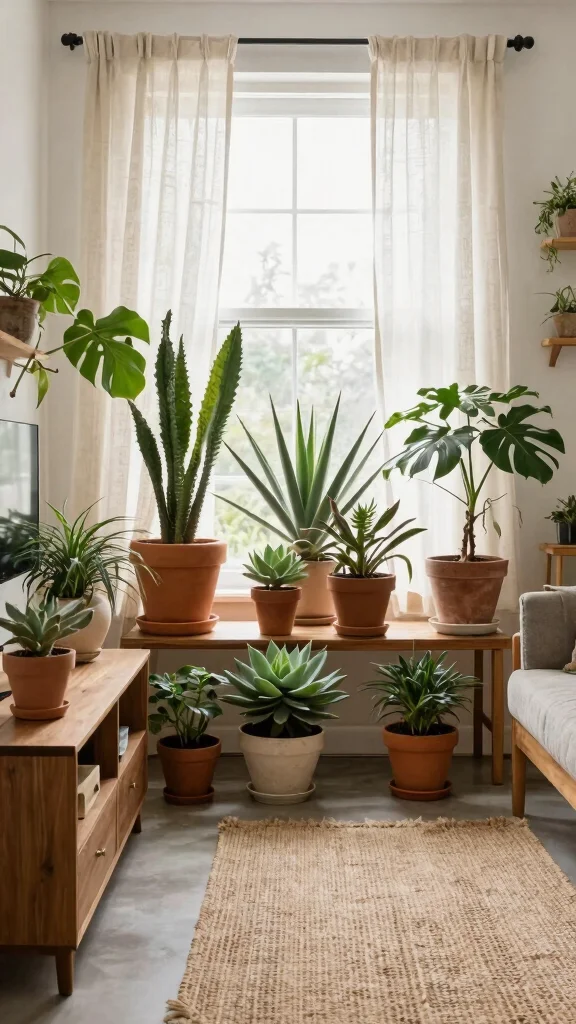
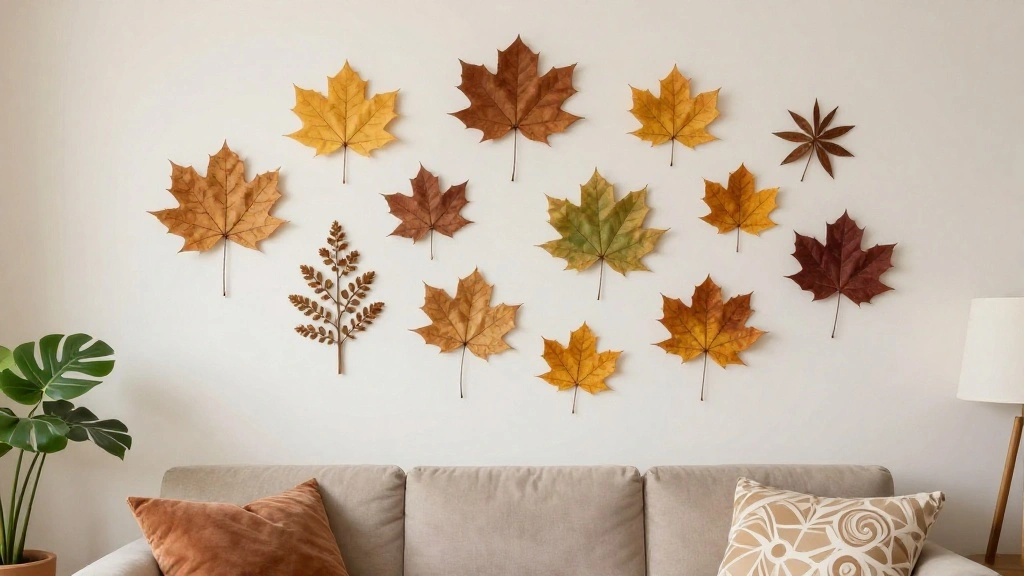
Incorporating natural elements into your decor adds warmth and tranquility to your small apartment. Elements like plants, wood, and natural textiles create a cozy ambiance while making your space feel more inviting. Adding greenery breathes life into your home and enhances air quality, making it feel fresh and vibrant.
Choose plants that thrive in small spaces, such as succulents, which require little maintenance. Natural materials can be used to unify your decor and evoke a sense of calm.
Here are ways to include natural elements:
– Use wooden furniture or decor for warmth and texture.
– Create a small indoor garden with hanging planters to save space.
– Select textiles made from natural fibers like cotton for comfort.
These natural touches can create a peaceful retreat within your small living space, enhancing both size and comfort.
In small spaces, nature is the secret trick. A little greenery, warm wood, and soft textiles make a room feel calm, inviting, and bigger. Small space design tricks like these are endlessly practical.
You Might Also Like
Incorporate Natural Elements
Editor’s Choice

Natural Wood Bird Trio 4.1”L Set of 3 – Small Bird Sculptures & Anim…
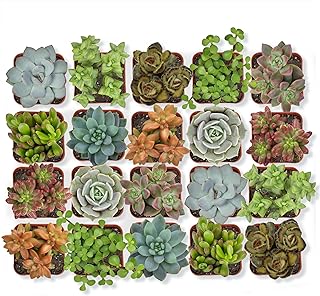
Altman Plants, Live Succulent Plants (20 Pack) Assorted Potted Succulent…

SAFAVIEH Area Rug 6×9 – Cape Cod Collection – Natural Brown, Handmade Br…
8. Limit the Number of Accessories
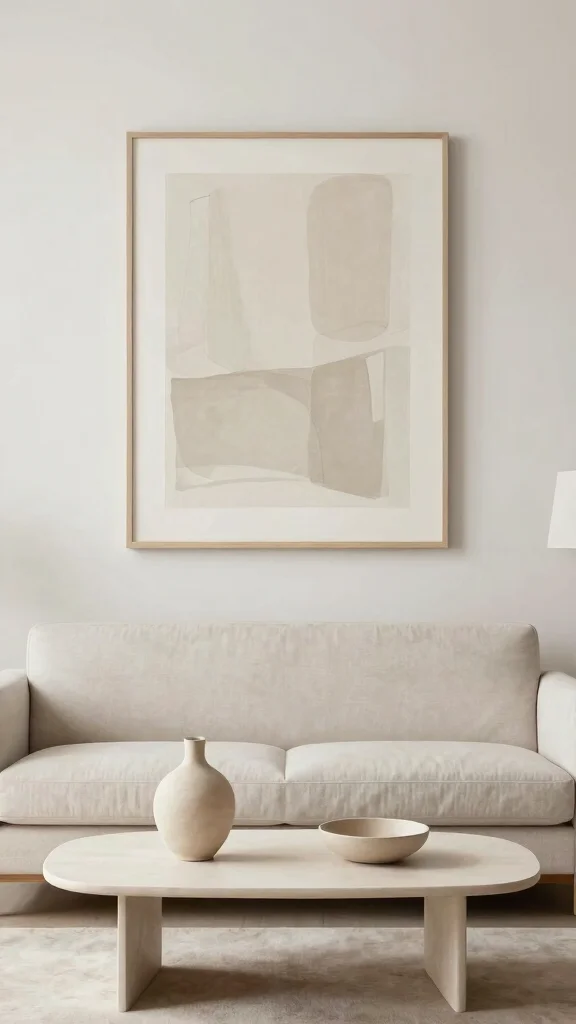
Accessories are a great way to express your style, but too many can clutter a small space. Keeping your decor minimal allows each piece to shine and contributes to a more spacious feel. Focus on a few statement items rather than numerous smaller decorations for a streamlined look.
This approach not only helps create focal points but also avoids overwhelming your room with competing elements. Simplifying your decor can lead to a more thoughtful and curated environment.
For accessorizing wisely:
– Choose larger art pieces to create impactful focal points.
– Limit decorative objects to a few meaningful items.
– Regularly reassess your decor to keep it fresh and uncluttered.
By prioritizing quality over quantity in your accessories, your space can feel open and thoughtfully designed.
How To Choose Space-Saving Furniture
Choosing the right space-saving furniture can dramatically change your small room’s functionality and appearance. Here are some key selection criteria to keep in mind to maximize your space and style:
1. Size
First, measure your room to determine what sizes of furniture will fit best. Small room decor demands that you choose pieces that don’t overwhelm your space. Consider furniture that is proportionate to the dimensions of your room. For example, a 30-inch dining table may be more suitable than a bulky 48-inch model.
2. Material
The material of your furniture can greatly affect its look and feel. Light, airy materials like glass or acrylic can make a space feel larger. On the other hand, darker, heavier materials may give a cozy feel but can also make a room feel more cramped. If you have pets, look for materials that are easy to clean and resistant to scratches, such as synthetic fabrics or leather-like materials.
3. Features
When selecting furniture, look for multifunctional design solutions. A sofa bed, for instance, can provide seating during the day and a sleeping area at night. Likewise, ottomans with storage can serve dual purposes and reduce clutter. Make sure to check the features of each piece to see how it can work more than one way.
4. Style
Your furniture’s style should blend with your decor theme. Choose sleek and modern designs to keep the aesthetic light. Avoid overly ornate pieces that can feel heavy in a small space. For a cohesive look, stick to a color scheme for small spaces that includes two to three colors that complement each other.
5. Budget
Set a budget before you start shopping. Space-saving furniture can vary widely in price. Consider both quality and cost. Investing a bit more in durable furniture that will last longer can save you money in the long run. Check for sales or secondhand options to find good deals within your budget.
6. Versatility
Choose furniture that can serve multiple purposes. Folding tables and stackable chairs can be easily stored away when not in use. Look for pieces that can be moved easily or adjusted to fit different needs as your lifestyle changes. This flexibility can make a small space more functional.
Pro Tip: Before making a purchase, visualize your space with a floor plan. Use painter’s tape to outline furniture dimensions on the floor to see how each piece fits and flows in the room. This practical exercise can guide you to make smarter, more confident choices!
Limit the Number of Accessories
Editor’s Choice

Jexine 4 Pcs Hanging Planters with Artificial Eucalyptus Metal Hanging V…

Mfacoy White Ceramic Flower Vase, Minimalist Decor, Modern Home Decorati…

IFGET 48″ Modern Coffee Table, 2-Tier Minimalist Center Table with Stora…
Conclusion
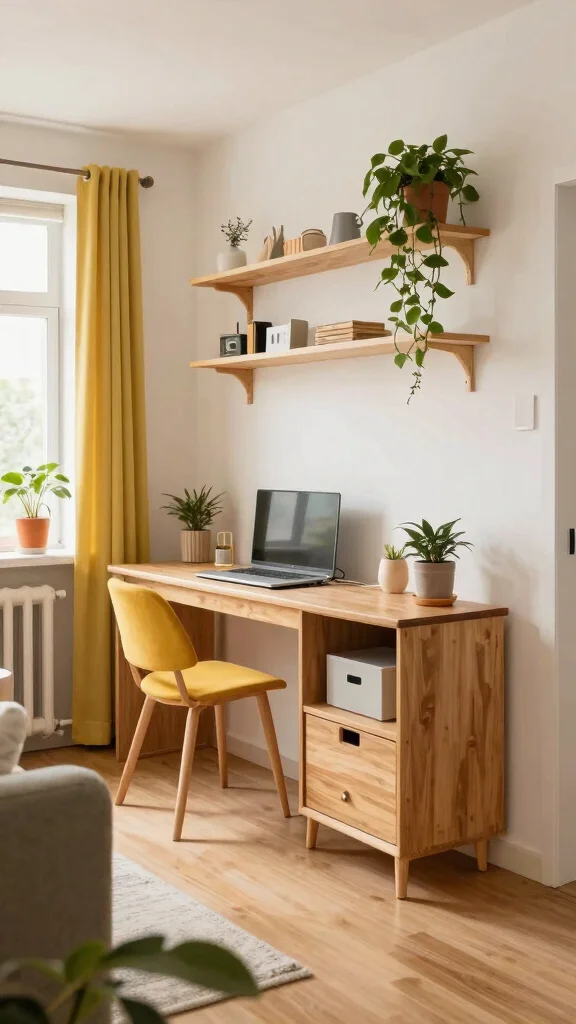
Maximizing space in a small apartment is all about making smart design choices. By incorporating these eight small space design tricks, you can create an inviting, airy environment that feels much larger than its square footage.
Each trick not only enhances the visual appeal but also contributes to a functional living space tailored to your lifestyle. So, roll up your sleeves and start transforming your cozy studio into a stylish haven that reflects who you are!
Note: We aim to provide accurate product links, but some may occasionally expire or become unavailable. If this happens, please search directly on Amazon for the product or a suitable alternative.
This post contains Amazon affiliate links, meaning we may earn a small commission if you purchase through our links, at no extra cost to you.
Frequently Asked Questions
What are the best small space design tricks to make a studio apartment feel bigger?
Absolutely! For a studio, you can implement small space design tricks that open up the room. Start with a light, cohesive color palette, such as off-white walls and pale wood finishes, to create a sense of continuity. Use mirrors in home decor to reflect light and add depth—place them opposite windows or at the far end of the room. Choose space-saving furniture with clean lines and hidden storage to keep surfaces clear. Embrace multifunctional design solutions like a sofa bed, a wall-mounted desk, or a coffee table with storage. Finally, keep clutter to a minimum and maintain a clear sightline across the space.
How can I choose space-saving furniture that still looks stylish in a studio apartment?
Great question. In small spaces, space-saving furniture should combine function with proportion. Look for wall- or floor-mounted pieces (folding desks, wall beds), modular seating, nesting tables, and beds with built-in storage. Choose pieces in light colors and slim profiles to avoid visual bulk. Think vertical storage and pieces that do double duty, like a bench that hides shoes or a coffee table with hidden compartments. Arrange furniture to preserve natural circulation and sightlines. With thoughtful selections, you can have both style and practicality in a small space design tricks mindset.
Do mirrors really help small rooms look bigger, and how should I place them?
Yes—mirrors can significantly expand a space when used intentionally. Place large mirrors opposite windows to double natural light, or use floor-to-ceiling panels to add height. A wall of mirrors can reflect multiple angles, creating depth and openness. Avoid placing mirrors directly across from heavy furniture to prevent fragmentation. Pair mirrors with light colors and uncluttered surfaces to maximize their effect. mirrors in home decor work best when they’re thoughtfully integrated into the room layout.
What color schemes for small spaces work best to create openness?
Opt for light, airy palettes to bounce light and visually expand the room. Consider whites, creams, and pale grays as a foundation, then add warmth with natural textures like wood, linen, and rattan. Use a restrained accent color to avoid visual busy-ness and maintain flow across color schemes for small spaces. Keep furniture and rugs in cohesive tones to preserve a seamless look, which is a key part of small space design tricks for tiny homes.
What are some multifunctional design solutions I can use in a tiny living room or studio?
Look for furniture that doubles as storage or has multiple uses: a sofa bed, an ottoman with hidden compartments, a wall-mounted or fold-away desk, and a dining table that collapses when not in use. Vertical solutions like tall bookshelves and wall-mounted shelves maximize storage without stealing floor space. Room dividers that also store items can separate zones while keeping the space feeling open. These multifunctional design solutions help maximize every square foot while maintaining style in small space design tricks.
Related Topics
home decor
small spaces
space-saving furniture
color schemes
mirrors in decor
multifunctional design
studio apartment
beginner friendly
budget-friendly
easy design tricks
minimalist design
quick tips