
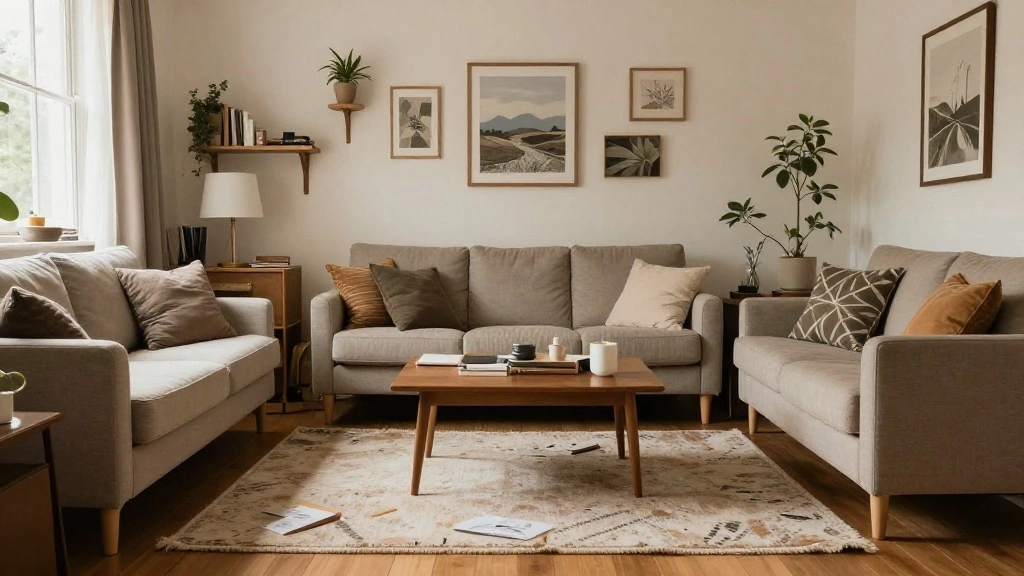
Living in a small home can often feel constraining, especially when it comes to storage and organization. As your belongings pile up, the limited floor space can make your home feel cluttered and chaotic. This urgency to find solutions prompts the need to look up – at the vertical space often overlooked. By maximizing your vertical space, you can create a more organized, functional, and visually pleasing environment.
In this guide, you will learn practical methods to utilize every inch of vertical space in your home. From installing shelves to incorporating multi-functional furniture, you will discover various strategies that make the most of your small living area. You will also explore tips on how to maintain an organized space while maximizing functionality.
This guide is designed for beginners and should take approximately 2-3 hours to complete. By the end of this article, you will have a clear plan to transform your small home into a space that feels larger and more organized. Ready to elevate your living space? Let’s get started!
TL;DR Summary
- Identify and utilize vertical space to improve organization in small homes.
- Implement practical tips like wall shelves, hooks, and multi-functional furniture.
- Follow step-by-step instructions to maximize storage effectively.
- Maintain a tidy environment while enhancing the functionality of your space.
Recommended Products

𝐌𝐨𝐝𝐞𝐫𝐧 & 𝐌𝐢𝐧𝐢𝐦𝐚𝐥𝐢𝐬𝐭 𝐒𝐭𝐲𝐥𝐞 - Featuring clean lines and a rustic brown finish, these wall-mounted shelves bring warm farmhouse charm and modern style to any space. Perfect as shelves for room decoration, book shelves display, and rustic farmhouse wall decor — they elevate your bathroom wall art vibe, bedroom aesthetic, living room style, kitchen organization, office setup, and laundry room storage all in one versatile design

Material: Medium Density Fiberboard (MDF)

Rounded Edges & Fully Coated: Crostice accessories shelf designed with rounded edges and a fully coated surface for safe usage; ideal for homes with children or pets; thickened metal plate construction enhances longevity; protected by US Design Patent
TL;DR Summary
Editor’s Choice

Consumest Over The Door Hooks Organizer – 3 Tier Door Hanger with 9 Coat…


Rolanstar Coffee Table Lift Top, Multi-Function Convertible Coffee Table…
Prerequisites/Materials Needed
- Furniture: Multi-functional furniture (1-2 pieces)
- Storage Solutions: Wall shelves (2-4 units), Hooks (10-15), Baskets (3-5)
- Tools: Drill, Level, Measuring tape
- Decor: Decorative items for shelves (5-10)
Recommended Products

【Fashionable design for over door hook】Over the door Organizer is designed with high-density mesh,which prevents very small items from falling down.And over the door hooks contain a basket that is deeper than the others, ensuring that your items will not fall out.The storage basket have a slanting design, which makes it easier to take things out. Back of door storage organizer can be used in the bathroom, kitchen, bedroom,office and other places where hanging storage is needed,They taking up a lot of different roles to meet your needs.

[Humanized design of Door Hanger]: Over the door hooks provides extra storage space to help you easily store. The top basket can store toiletries; the lower basket with mesh design and the grid is tight, so you no longer have to worry about your tiny goods falling and you can store cosmetics, necklaces, earrings, bracelets etc
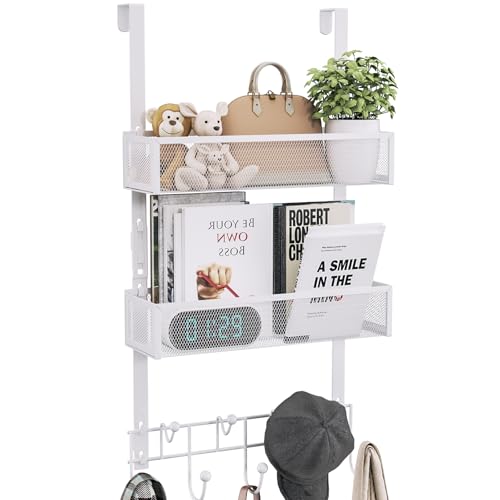
[Humanized design of Door Hanger]: Over the door hooks provides extra storage space to help you easily store. The top basket can store toiletries; the lower basket with mesh design and the grid is tight, so you no longer have to worry about your tiny goods falling and you can store cosmetics, necklaces, earrings, bracelets etc
Skill Level & Time Estimate
Skill Level: beginner
Total estimated time: 2-3 hours
This includes about 30 minutes for planning and gathering materials, and approximately 1.5-2 hours for executing the steps outlined in this guide.
Recommended Products

4-in-1 Lift Top Design: This coffee table works in 4 setups for daily use. Keep it flat as a regular coffee table, lift one side for laptop or movie night snacks, raise both sides for shared use, or extend to full dining height for 4-8 guests. One piece does it all, ideal for small spaces

4 in 1 Convertible Coffee Table: Lift top coffee table features sturdy lifting for the large desktop and spring-lifting frames for the smaller one, seamlessly transforming from coffee table to workspace or expanding into a dining table for 4–8

4-in-1 Lift Top Design: This coffee table works in 4 setups for daily use. Keep it flat as a regular coffee table, lift one side for laptop or movie night snacks, raise both sides for shared use, or extend to full dining height for 4-8 guests. One piece does it all, ideal for small spaces
Step 1: Assess Your Space
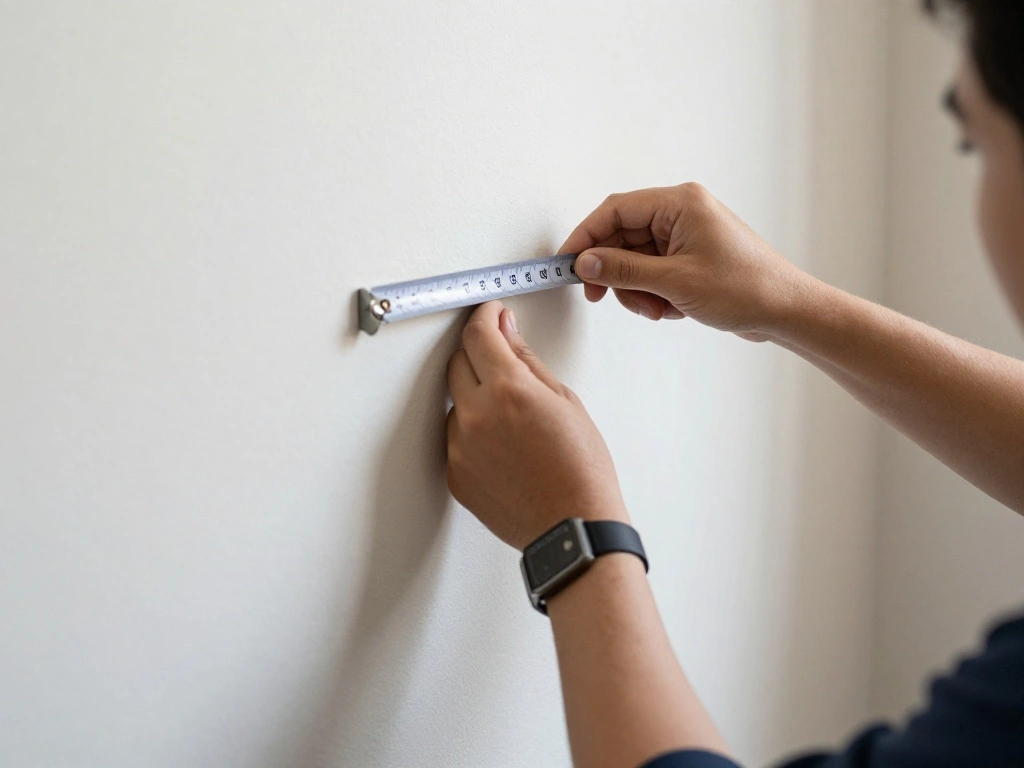
Begin by evaluating your home to identify areas where vertical space can be maximized. Follow these steps:
- Walk through each room and take note of empty wall spaces.
- Measure the height and width of available wall sections.
- Consider the items you need to store or display.
Pro Tip: Take photos of your space to visualize potential changes later.
Why this matters: Understanding your space allows you to create a tailored plan that meets your specific needs. This step should take approximately 30 minutes.
Recommended Products

Effortless 3-Minute Assembly: Our stackable wire baskets require no tools-just fold,snap together, and secure with the included screwdriver. Perfect for pantry organizers or kitchen countertop storage, ready to use in minutes

[Product Specifications] - These wall floating shelves are in 4 different sizes: 15.75 x 5.7 x 4.3 inches, 13 x 5 x 3.5 inches, 10.7 x 4.5 x 3.15 inches, 7.9 x 3.9 x 2.7 inches, and the shelf thickness is 0.43. Package contains 4 dark carbon black paulownia shelves, 4 black metal wire frame fences, 10 plastic anchors, 10 long screws and 1 installation manual.
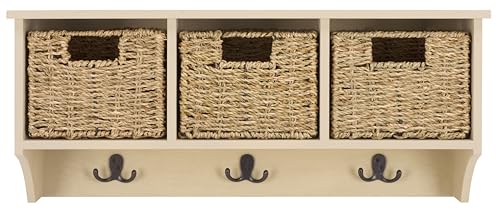
[DIMENSIONS & CAPACITY]: Measures 28" wide x 7.75" deep x 11.75" high; basket interior measures 8.5" wide x 6.9" deep x 7" high; supports up to 40 lbs. total weight capacity
Step 1: Assess Your Space
Editor’s Choice

Furinno PASIR Book Shelf, 5-Tier Modern Bookshelf, Open Shelves Bookcase…

JARLINK Over The Door Organizer Storage, 5 Shelf Hanging Door Organizer …
Step 2: Plan Your Vertical Layout
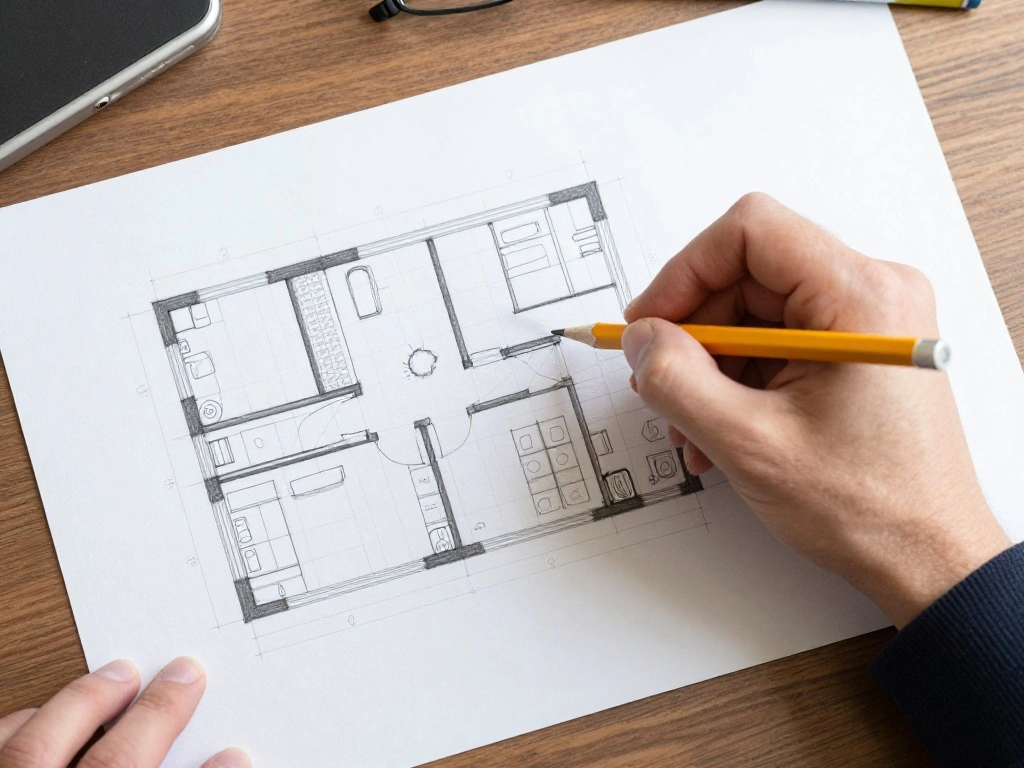
Once you have assessed your space, create a plan for utilizing vertical areas. Here are the steps:
- Decide which walls will have shelves or hooks.
- Sketch a layout that includes the placement of furniture, shelves, and storage solutions.
- Prioritize areas that need the most organization.
Pro Tip: Use graph paper to scale your room layout for precision.
Why this matters: A clear plan helps you visualize how the changes will fit together and prevents over-crowding. This step may take about 30 minutes.
Recommended Products

Maximized Space Utilization: This 4-tier skinny bookshelf, with a size of 11.8"L x 11.8"W x 42.5"H, can fit into corners, maximizing vertical space for organizing various items. It saves space while creating an efficient storage area for your convenience

✅【9-LEVEL STORAGE SPACE】This Metal Spine Bookshelf features a 9-level design, which can effectively store books, potted plants and other items (all items excluded). This allows your space to remain tidy and orderly

STEPPED LADDER PROFILE: Slim, vertical profile with 3-tier open shelving for decor and daily essentials, ideal for living rooms, bedrooms, or home offices
Step 2: Plan Your Vertical Layout
Editor’s Choice

Command Small Wire Toggle Hooks, 16 Hooks and 24 Strips, Damage-Free Han…
Step 3: Install Shelves
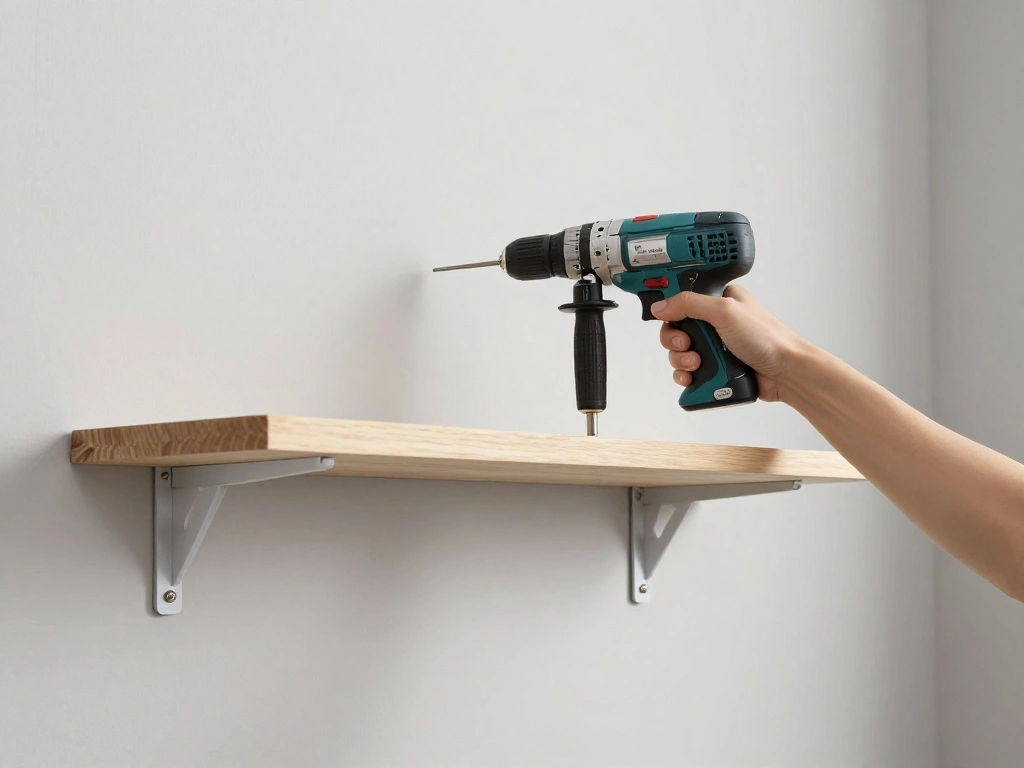
Installing shelves is one of the most effective ways to utilize vertical space. Follow these steps:
- Choose the appropriate shelves for your space (floating or traditional).
- Mark the wall where you will install the shelves using a level to ensure alignment.
- Drill holes and use anchors for added support if needed.
- Attach the shelves securely.
Warning: Ensure you use the right weight capacity for your shelves to avoid accidents.
Why this matters: Shelves provide a place for storage and display without taking up floor space. Expect to spend about 1 hour on this step.
Recommended Products

Storage & Decoration Solution: Corner shelves for wall fit into the corner and increase storage space. The modern wall shelf complements any decorating style, providing a display space where you can decorate the room with whatever you like while making more space
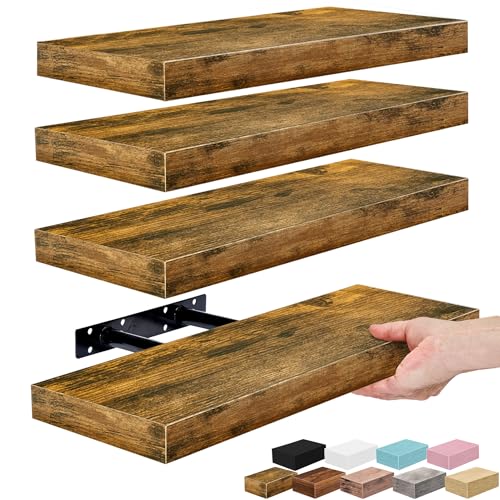
Floating Shelves for Wall Storage: Display charming showpieces, home decor items, and other prized possessions while offering functional storage. Bathroom shelves measure approximately 16.25 in L x 5.50 in W. Each shelf is 1.5 in thick

Centerpiece of Room Decoration - These shelves boast a distinctive design and an elegant shape, making them a focal point that elevates the style of any room. Ideal for the living room, bedroom, study, bathroom, laundry room, children's room, or office, they reflect the owner's sophisticated taste and blend seamlessly with various decor themes.
Step 3: Install Shelves
Editor’s Choice
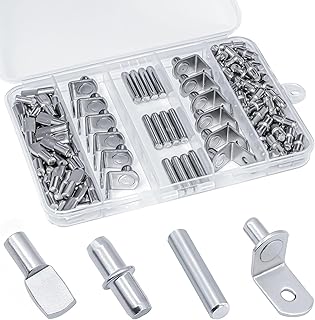
120Pcs Shelf Pins Kit,4 Styles Nickel Plated Shelf Support Pegs,Plated S…

QsQueen Scalloped Wood Wall Shelf – 17 Inch Floating Shelf with Wood B…
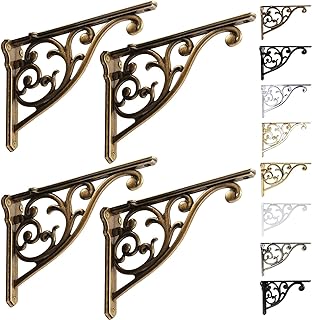
Shelf Brackets 8 Inch 4 Pack Heavy Duty Antique Brass Wall Bracket Victo…
Step 4: Use Hooks and Racks
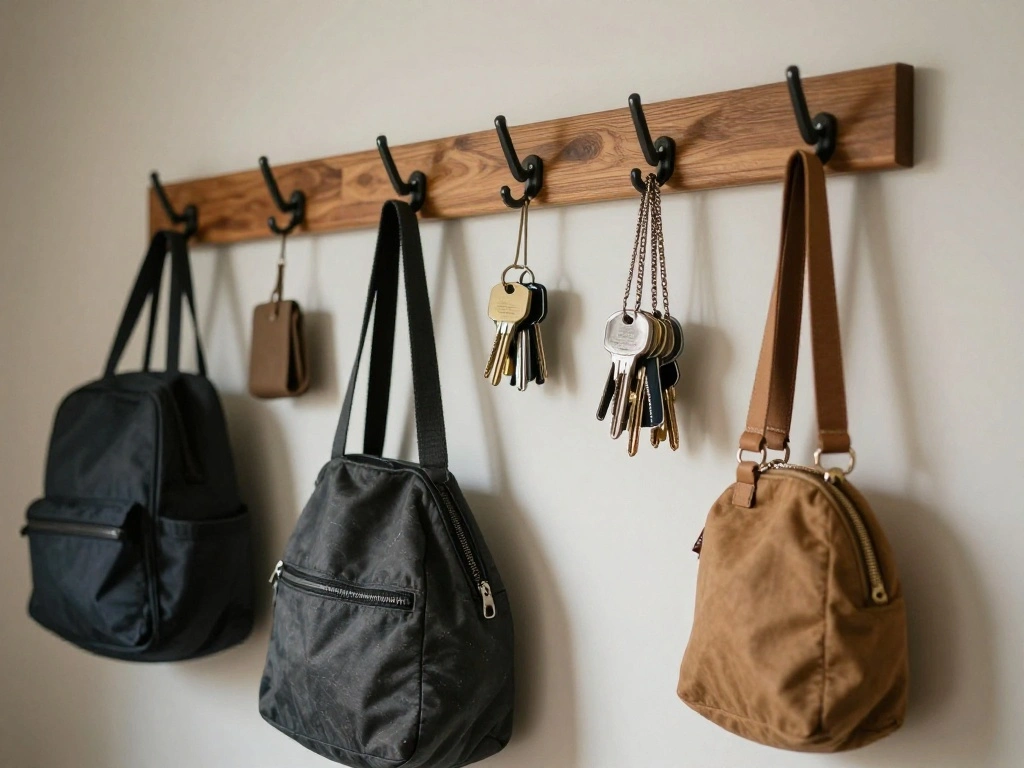
Hooks and racks are fantastic for organizing items and keeping them off the floor. Follow these steps:
- Select the areas where hooks will be most beneficial (entryways, kitchens, etc.).
- Mark positions for the hooks, ensuring they are spaced evenly.
- Drill holes and install hooks securely.
Pro Tip: Consider decorative hooks to add style while being functional.
Why this matters: Hooks and racks utilize often wasted wall space, making it easier to keep items organized and accessible. This step should take roughly 30 minutes.
Recommended Products

【 See It, Grab It, Go 】Turn wasted door or wall space into neat, easy-access storage with this purse organizer. Designed as an over the door purse organizer and purse organizer for closet, it helps keep handbags visible, off the floor, and ready to grab on busy mornings.

[Adjustable Shower Caddy]: HapiRm hanging shower caddy features easily adjustable design, you can effortlessly move the shelves up, down to accommodate bottles of various sizes. You no longer have to worry about having no place to put big or tall bottles

Wall hanging files organizer:3-tier stackable&detachable hanging metal wall file . For sorting files, documents, magazines, literature, catalogs, mail, letters, charts, brochures and notebooks.The tag slot help you quickly identify what in the file rack.
Step 4: Use Hooks and Racks
Editor’s Choice

Optish Coat Rack Wall Mount, 16.5 Inches Wood Coat Hooks, Wall Hooks for…
Step 5: Incorporate Multi-Functional Furniture

Multi-functional furniture is essential for maximizing space in a small home. Here’s how to choose and integrate it:
- Identify furniture pieces that can serve dual purposes (e.g., ottomans with storage or beds with drawers).
- Purchase or build the selected furniture.
- Arrange the furniture to complement the vertical storage solutions you installed.
Pro Tip: Look for furniture that fits your style and offers the storage you need.
Why this matters: Multi-functional furniture reduces clutter while providing necessary storage options. Expect to spend about 1 hour on this step.
Recommended Products

Flexible Lift-Top Design: This lift-top coffee table features 2 tabletops that can be raised in different directions, easily creating 2 separate work areas. The large tabletop is foldable to meet various daily needs

Dual Lift-Top Design: This lift top coffee table features 2 tabletops with reinforced metal lifting mechanisms. The small table has a rebound function for convenience. With 4 spacious shelves and hidden compartments, it stores books, blankets, and more for a tidy space

【4-in-1 Lift Top Design】Unique lift-up desktop design to meet more needs: When fully extended, it can be used as a dining table or game coffee table for 4-8 people; when partially extended, it can be used as a workbench for 2 people simultaneously without interfering with each other; when the desktop is closed, it provides a large storage space for easy organization of miscellaneous items.
Step 5: Incorporate Multi-Functional Furniture
Editor’s Choice

30.5-INCH Storage Ottoman Bench, Footrest with Storage, End of Bed Bench…

Allewie Queen Size Lift Up Storage Bed, Modern Wingback Headboard, Hydra…

BAMEOS Floating Wall Shelves 24 x 6 Inch – Easy-Install Hanging Shelve…
Step 6: Decorate Your Vertical Space

Now that you have storage solutions in place, it’s time to decorate! Follow these steps:
- Choose decorative items that fit your style (plants, books, art).
- Arrange items on your shelves and hooks for visual appeal.
- Ensure heavier items are lower and lighter items are higher for balance.
Pro Tip: Use a theme or color palette to create a cohesive look.
Why this matters: Decorative touches make your space feel inviting and personalized while maintaining functionality. This step may take about 30 minutes.
Recommended Products

Large Size Bathroom Organizer: Size: L15.7“ x W 5.3” x H 31", 5.3 inches from the wall, Bathroom Towel Rack can hold 6-50 towels, Upgraded Top Basket Design for 3-5 Rolls of Toilet Rolls and All Toiletries, Easy Storage for All Bathroom Supplies,Ideal for use in apartments, dorm rooms, RV and campers

Package and Size – Includes 1 stackable storage basket with a wooden lid, ideal for organizing towels, laundry detergent, and tissues in the laundry room. Basket size: 11.8 inch x 7.9 inch x 8.5 inch, perfect for maximizing storage space
![4 Set [EXTRA LARGE] Hanging Wall Mount Storage Baskets with Adhesive Hooks & Steel Hooks, Multiuse Sturdy Wire Metal Organizing Baskets for Home Kitchen Bathroom Pantry Utility Organizer, Black](https://m.media-amazon.com/images/I/51OGDlLFdzL._SL500_.jpg)
★Please Note - Read the dimensions of the basket before ordering in case it does not meet your needs or space size!
Step 7: Organize Regularly

Maintaining your vertical space is crucial for keeping your home tidy. Here’s how to do it:
- Set a schedule to regularly declutter and reorganize your vertical spaces.
- Remove items that no longer serve a purpose or that you don’t use regularly.
- Keep the most frequently used items easily accessible.
Pro Tip: Consider seasonal organizing to refresh your space periodically.
Why this matters: Regular organization prevents clutter from building up and ensures your vertical space remains functional. This step should take about 30 minutes per session.
Recommended Products

DIY Your Bookshelf: The unique structural design allows you to combine this wall-mounted ladder shelf at will. If 2 or more bookshelves are used together, there are various combinations for you to choose from. Feel free to DIY your own style

STEPPED LADDER PROFILE: Slim, vertical profile with 3-tier open shelving for decor and daily essentials, ideal for living rooms, bedrooms, or home offices
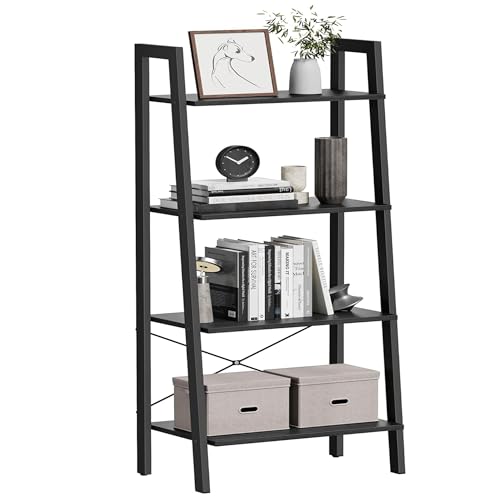
Modern Form, Lasting Appeal: Clean lines and balanced simplicity define this BARNET Collection ladder shelf, combining a steel frame with rustic panels to create visual depth and pair easily with matching storage units for a cohesive, modern interior
Step 7: Organize Regularly
Editor’s Choice
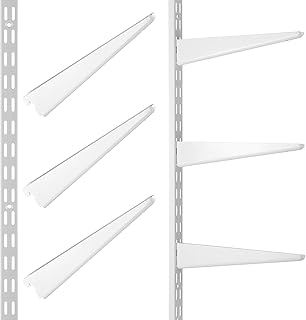
Colingmill 8 Pcs White Twin Rail Upright Wall Shelving System 25 Inch wi…
Step 8: Evaluate and Adjust
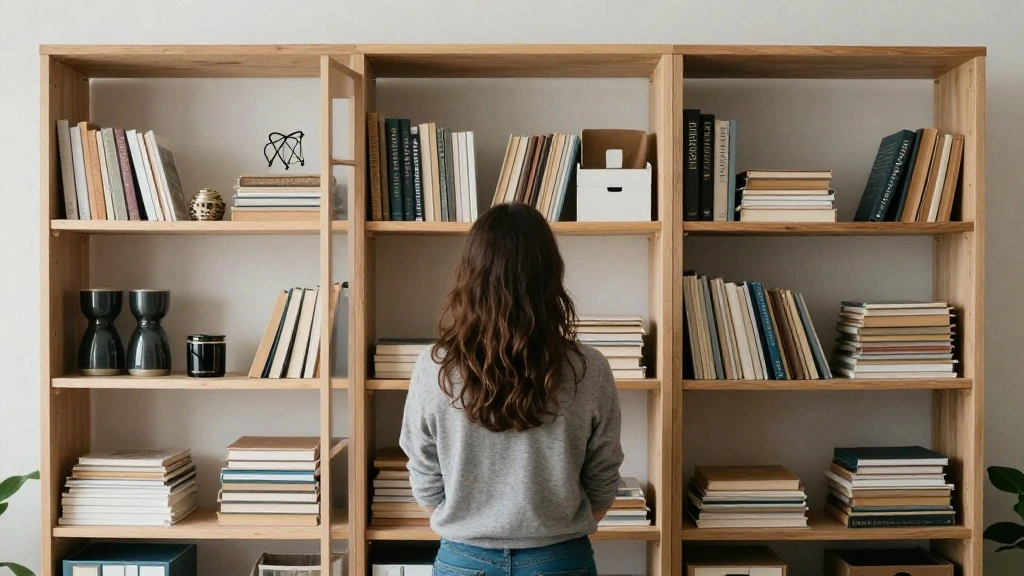
Finally, take time to evaluate how well your vertical space is working for you and make adjustments as needed. Follow these steps:
- Assess whether the vertical solutions are effectively meeting your needs.
- Try different arrangements if something feels off.
- Make note of any additional storage needs that arise.
Pro Tip: Flexibility is key; be open to changing things as your needs evolve.
Why this matters: Continuously assessing your space ensures it remains functional and personalized. This step should take about 30 minutes.
Pro Tips
- Use Vertical Bins: Stackable bins can help utilize vertical height more effectively.
- Incorporate Mirrors: Mirrors can create the illusion of more space while enhancing vertical dimensions.
- Label Storage: Clearly label bins and shelves to easily find what you need quickly.
- Rotate Decor: Regularly change your decorative items to keep your space feeling fresh.
- Think Outside the Box: Consider using ladder shelves or repurposed furniture for unique storage solutions.
Pro Tips
Editor’s Choice

5 Pack Stackable Closet Storage Basket – Stackable Storage Bins, Multifu…

Brother P-Touch PT-N20 Personal Desktop Label Maker, Portable, Handheld …

JISOSO Black Bathroom Mirror 55X30 Inch, Black Metal Framed Mirror for W…
Common Mistakes to Avoid
Warning: Avoid overcrowding your vertical spaces with too many items; this can lead to a cluttered look. Instead, curate your items for balance. Warning: Not securing shelves properly can lead to accidents. Always follow installation instructions carefully. Warning: Using overly heavy items on shelves can cause them to sag or break. Stick to weight limits indicated by the shelf manufacturer.
Common Mistakes to Avoid
Editor’s Choice

Starunder 6 Pack Floating Shelf Brackets, 6 Inch Heavy Duty Industrial S…

Life Story 6 Pack Heavy Duty Stackable Storage Bin, 55 Quart Home Organi…

FLEXIMOUNTS 3-Tier 1x4ft Garage Storage Wall Shelving, 12x48inch per She…
Troubleshooting Section
Problem: Shelves sag or are unstable.
Solution: Check installation; ensure you used the right anchors and screws.
Problem: Hooks are pulling away from the wall.
Solution: Remove the hook and use stronger anchors suitable for the wall type.
Problem: Space still feels cluttered after adding shelves.
Solution: Re-evaluate what items are on display and consider removing or relocating some for better balance.
Troubleshooting Section
Editor’s Choice
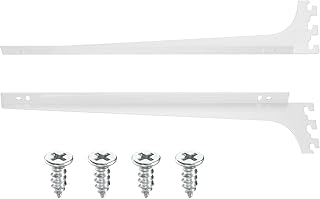
uxcell 2Pcs Adjustable Shelf Bracket, 15.7 Inch Upright Bracket Shelf Br…

Ougourim Furniture Anchors (10 Packs) Anti Tip Furniture Anchors for Bab…
Variations/Alternative Methods
You can achieve the same results through different methods:
- Wall-Mounted Storage Units: These can combine shelving with hooks and bins for a cohesive look.
- Over-the-Door Organizers: Great for maximizing space on doors without damaging walls.
- Pegboards: Versatile and adjustable, pegboards can hold various items while looking stylish.
Variations/Alternative Methods
Editor’s Choice
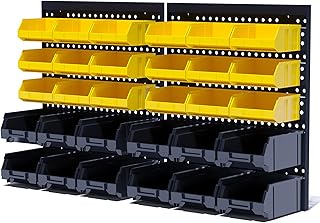
KJE 30PCS Wall Mounted Storage Bins, Plastic Tool Organizer for Garage S…
JARLINK Over The Door Organizer Storage, 5 Shelf Hanging Door Organizer …

Urban Deco Portable & Adjustable Peg Board Display Stand | 17×13 Inch wi…
FAQs
What if I don’t have wall studs? Use wall anchors to secure shelves and hooks safely.
How long should I wait before reevaluating my space? Check in every 3-6 months to see if your needs have changed.
Is it safe to stack bins vertically? Yes, as long as they are designed for stacking and the weight is evenly distributed.
FAQs
Editor’s Choice
Ougourim Furniture Anchors (10 Packs) Anti Tip Furniture Anchors for Bab…

BAYKA Floating Shelves for Wall, Wall Mounted Rustic Wood Shelves for Ba…
5 Pack Stackable Closet Storage Basket – Stackable Storage Bins, Multifu…
Conclusion

Congratulations! You have successfully learned how to maximize vertical space in your small home. By implementing these strategies, you’ve transformed your living area into a more organized, functional, and beautiful environment. Remember, maintaining this new layout requires regular attention, so keep the momentum going!
For further inspiration, consider exploring DIY projects for custom shelves or multi-functional furniture. Your journey towards a more spacious and organized home continues!