
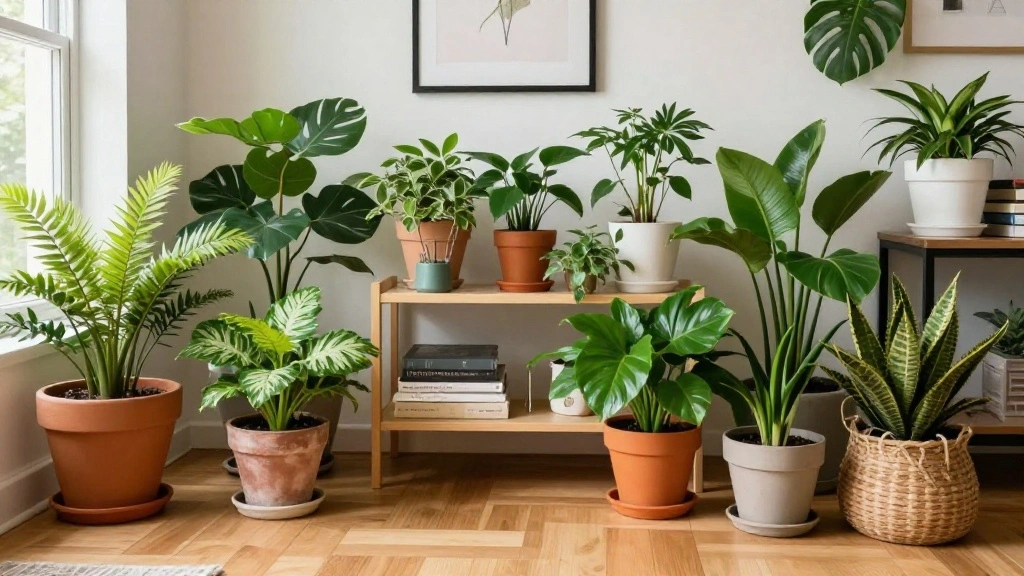
Living in a small apartment can often feel cramped and uninspiring. You might think that creating a cozy and vibrant atmosphere is impossible due to limited space. But fear not! With the right approach to styling plants, you can transform your small living area into a green oasis. In this guide, you will learn how to effectively style plants to maximize both aesthetics and space in your apartment.
This article will walk you through practical steps on choosing the right plants, where to place them, and how to care for them in your small space. You’ll discover tips on creating a cohesive plant style that complements your decor while enhancing your home’s atmosphere. Difficulty Level: Beginner
Estimated Time: 1-2 hours
Get ready to breathe life into your living space and enjoy the benefits of greenery by following these simple steps!
TL;DR Summary
- Choose a variety of plants suitable for small spaces.
- Utilize vertical space and multi-functional furniture.
- Group plants for a cohesive look.
- Regularly care for plants to keep them healthy and vibrant.
TL;DR Summary
Editor’s Choice

BACEKOLL Plant Stand Indoor with Grow Lights, 7 Tiered Indoor Plant Shel…

Fixwal Small Shelf for Wall, 5X5 Inches Floating Shelves Set of 4, Rusti…

Melphoe 25Pcs Mini Garden Hand Transplanting Succulent Tools Set, 39.4″ …
Prerequisites/Materials Needed
- Plants:
- 1-2 small to medium-sized houseplants (e.g., pothos, snake plant)
- 1-2 hanging plants (e.g., spider plant, ferns)
- Planters:
- 2-3 decorative pots or planters with drainage holes
- 1-2 wall-mounted planters
- Tools:
- Potting soil
- Watering can
- Pruning shears
- Accessories:
- Plant stand or shelf
- Hanging hooks (if using hanging plants)
Prerequisites/Materials Needed
Editor’s Choice

Natural Bamboo Plant Stand Indoor, Adjustable Plant Shelf Indoor Fits 8-…

DeeCoo 3 Piece Ceramic Plant pots Indoor Pots Set with Drainage Holes, 5…

Make Good PlantPod Luxe – Self-Watering Wall Planters (Set of 6) – Easy …
Skill Level & Time Estimate
Skill Level: Beginner
Total time estimate: 1-2 hours
Skill Level & Time Estimate
Editor’s Choice

TOSKING Heavy Duty Metal Plant Stand – 9″ Round Geometric Pattern, Adjus…
UOUZ 13 Inch 2 Pack Large Self Watering Hanging Planters for Indoor Outd…
Step 1: Choose the Right Plants
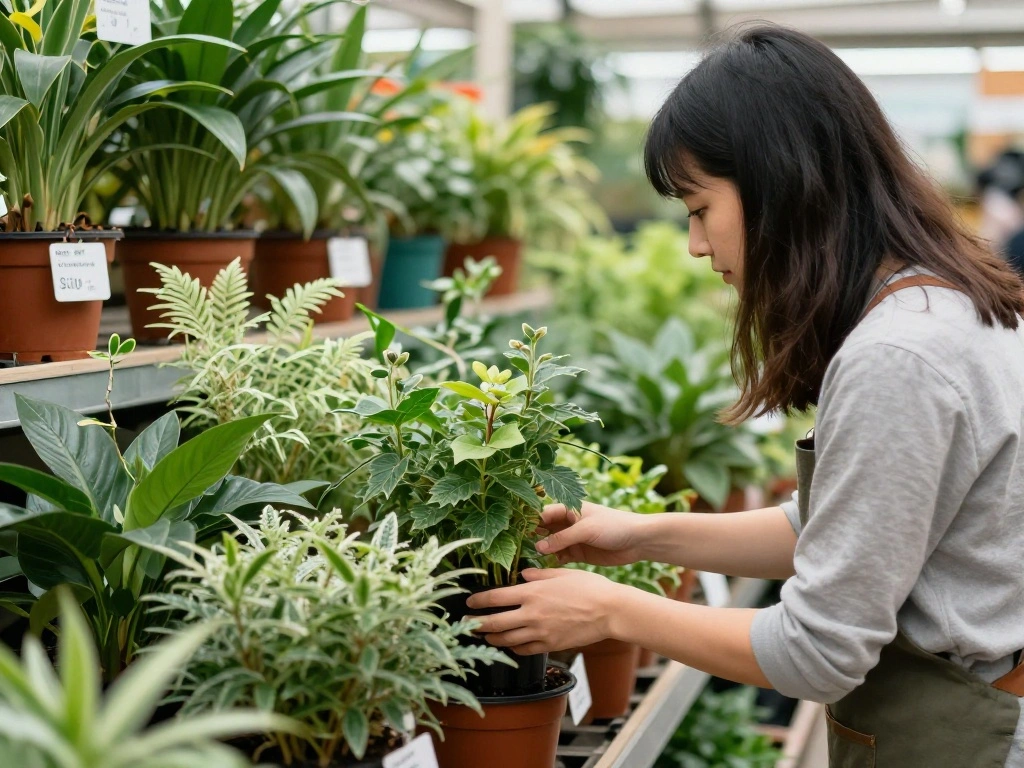
Selecting the appropriate plants for your small apartment is crucial. Start by considering the following factors:
- Light Availability: Assess how much natural light your apartment receives. Choose plants that thrive in your specific lighting conditions (e.g., low light vs. bright light).
- Size: Opt for smaller plants that won’t overwhelm your space. Consider plants like succulents, pothos, or snake plants.
- Care Level: If you’re a beginner, select low-maintenance plants that are easy to care for.
Pro Tip: Try to mix textures and leaf shapes for visual interest. Why this matters: The right plants will thrive in your space and enhance your apartment’s aesthetics. Time estimated: 15-30 minutes.
Step 1: Choose the Right Plants
Editor’s Choice

Live Pothos Plants (4PK) Indoor Plants Live Houseplants, Pothos Live Pla…
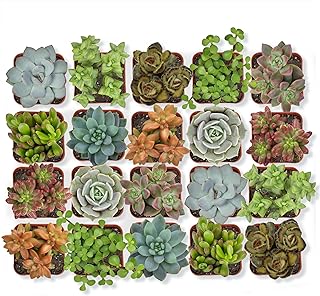
Altman Plants, Live Succulent Plants (20 Pack) Assorted Potted Succulent…

Altman Plants Live Snake Plant (Superba), Approx. 13″ Tall, Virtually In…
Step 2: Find the Best Locations
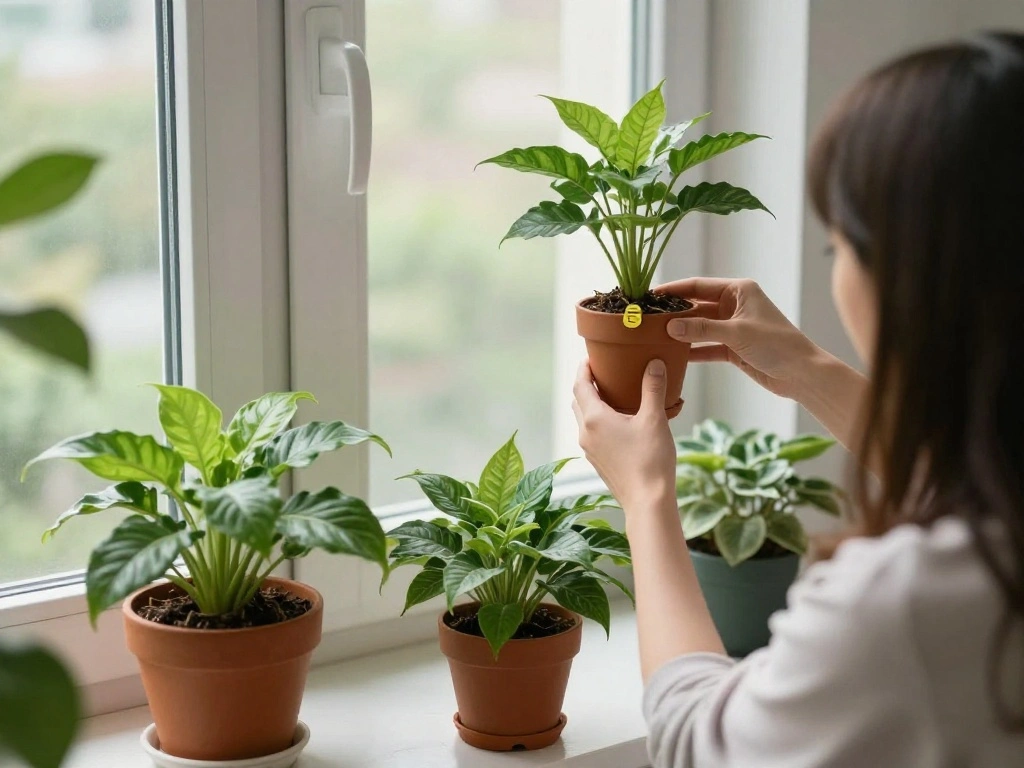
Placement is key in a small apartment. Follow these steps to identify optimal spots for your plants:
- Assess Sunlight: Determine areas with natural light during the day. Note how sunlight shifts throughout the day.
- Use Vertical Space: Consider shelves, wall mounts, and plant stands to elevate your plants.
- Group Plants: Place plants together in clusters on tables or windowsills to create a cohesive look.
Warning: Avoid placing plants in drafty areas or direct air conditioning vents. Why this matters: Proper placement ensures your plants receive the right light and thrive in your apartment. Time estimated: 20-30 minutes.
Step 2: Find the Best Locations
Editor’s Choice

Wall Planters for Indoor Plants, 3 Pack Wall Mounted Plant Holder, Metal…

LBW Grow Light for Indoor Plants, Full Spectrum Plant Light with Base, H…

KGPLOME Plant Stand Indoor,Mid Century Walnut Wood Plant Table, Heavy Du…
Step 3: Select Planters Wisely

The type of planters you choose can significantly impact your apartment’s style. Here’s what to consider:
- Size and Drainage: Ensure your pots are the right size for your plants and have drainage holes to prevent overwatering.
- Style: Choose planters that match your decor theme (e.g., modern, rustic, or bohemian).
- Material: Consider materials that suit your environment, such as ceramic for a chic look or plastic for lightweight options.
Pro Tip: Use decorative trays to catch water and enhance visual appeal. Why this matters: The right planters can elevate your decor while ensuring your plants stay healthy. Time estimated: 15-20 minutes.
Step 3: Select Planters Wisely
Editor’s Choice
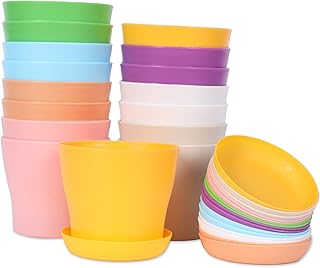
JERIA 16-Pack 4″ Plastic Flower Plant Pots Thickened Seedlings Nursery P…

LE TAUCI Ceramic Plant Pots, 5.1 + 6.4 Inch Footed Pots for Plants, Mode…

BandDlevs Floating Pots for Plants – Levitating Pot – Levitating Planter…
Step 4: Create a Focal Point
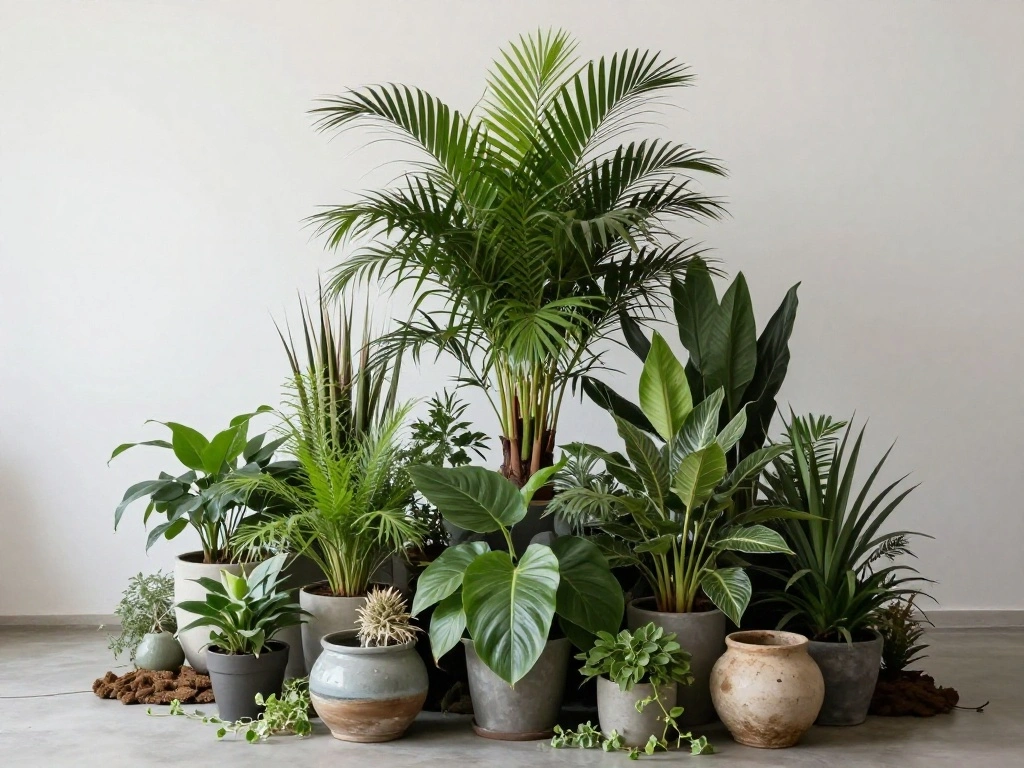
Creating a focal point with your plants can draw attention and enhance your space. Follow these steps:
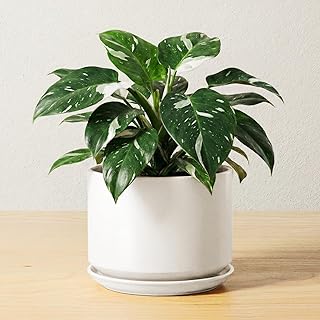
- Choose a Statement Plant: Select one or two standout plants (e.g., a large monstera) to serve as focal points.
- Arrange Around It: Position smaller plants or decorative items around the focal plants.
- Use Height Variation: Mix heights by placing taller plants behind shorter ones to create depth.
Warning: Avoid overcrowding; leave space for plants to grow. Why this matters: A well-placed focal point can enhance the overall aesthetics of your apartment. Time estimated: 30-45 minutes.
Step 4: Create a Focal Point
Editor’s Choice

Monstera Deliciosa Plant – Swiss Cheese Split Leaf Philodendron Plant – …
LE TAUCI Ceramic Pots for Plants, 6.8 Inch Plant Pots with Drainage Hole…

Rnined Adjustable Plant Stand Indoor,Bamboo Mid Century Modern Plants St…
Step 5: Incorporate Multi-functional Furniture

Using multi-functional furniture can help maximize space and integrate plants seamlessly. Here’s how:
- Plant Stands: Use plant stands that double as side tables or shelves.
- Window Sills: If you have a wide window sill, use it to display smaller plants without taking up extra space.
- Storage Units: Consider storage units with open shelving to display plants while storing items.
Pro Tip: Choose furniture that complements your plant style for a cohesive look. Why this matters: Multi-functional furniture saves space and enhances your apartment’s functionality. Time estimated: 20-30 minutes.
Step 6: Maintain Your Plants
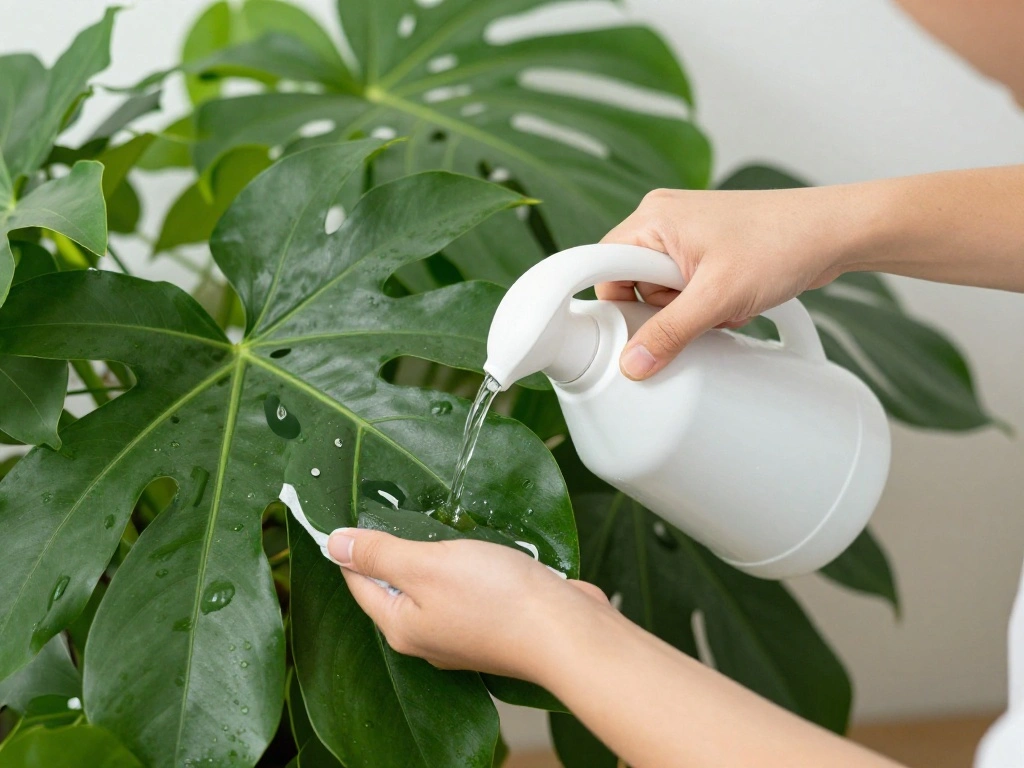
Regular care is essential for keeping your plants healthy and vibrant. Follow these basic care tips:
- Watering: Water your plants according to their specific needs, usually when the top inch of soil feels dry.
- Cleaning: Dust leaves regularly to allow for maximum light absorption.
- Fertilizing: Use a balanced fertilizer every few months to promote growth.
Warning: Overwatering can lead to root rot; always check moisture levels first. Why this matters: Healthy plants will thrive and enhance your living space. Time estimated: 20-30 minutes.
Step 6: Maintain Your Plants
Editor’s Choice

Plant Leaf Cleaner & Leaf Shine, Plant Cleaner | 2 Pack of 50 (Total 100…

Miracle-Gro Water Soluble All Purpose Plant Food – Fertilizer For All In…

XLUX Long Probe Deep Use Soil Moisture Meter, Water Monitor Indicator Se…
Step 7: Add Accessories and Decor
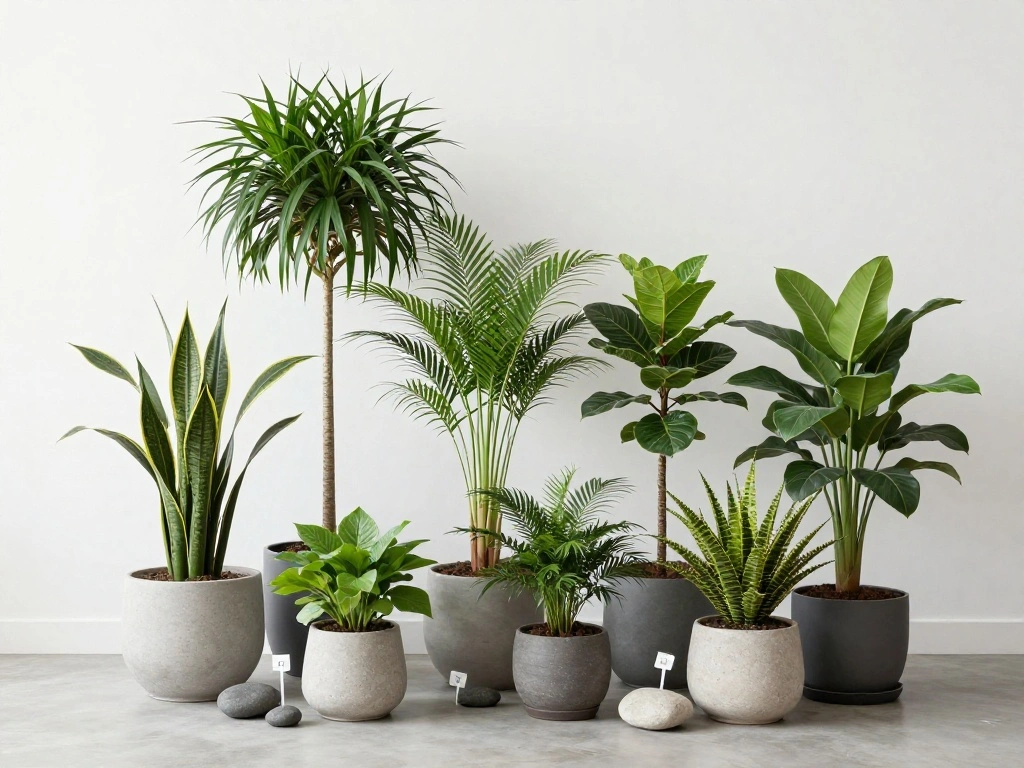
Accessories can enhance the style of your plants and space. Consider these additions:
- Decorative Stones: Add stones or pebbles to the top of the soil for a polished look.
- Plant Markers: Use decorative plant markers to identify each plant.
- Artwork: Hang wall art or photographs near your plants to create a cohesive theme.
Pro Tip: Choose accessories that reflect your personal style. Why this matters: Thoughtful decor can make a significant impact on your overall interior design. Time estimated: 15-20 minutes.
Step 7: Add Accessories and Decor
Editor’s Choice

Virekm River Rocks, Decorative Ornamental Pebbles,Garden Landscaping Sto…

arteWOODS Home Sweet Home Wall Art Sign Large Dark Brown Farmhouse Wall …
Step 8: Evaluate and Adjust

After styling your plants, take time to evaluate their placement and health over the weeks. Follow these steps:
- Observe Growth: Watch how your plants respond to their environment and adjust their locations if necessary.
- Change Up Arrangements: Don’t hesitate to rearrange your plants for a fresh look.
- Replace Dying Plants: If any plants don’t thrive, consider replacing them with new options.
Warning: Monitor plants for pests or diseases and address issues immediately. Why this matters: Regular evaluation ensures a thriving green space that continues to enhance your apartment. Time estimated: 15-25 minutes.
Step 8: Evaluate and Adjust
Editor’s Choice
Melphoe 25Pcs Mini Garden Hand Transplanting Succulent Tools Set, 39.4″ …

AZERPIAN Plant Stand 5 Tier Indoor Metal Flower Shelf for Multiple Plant…

8/10/12 Inch Self Watering Pots for Indoor/Outdoor Plants – Large Plasti…
Pro Tips
- Use Mirrors: Place mirrors near plants to reflect light and create the illusion of more space.
- Choose Pet-friendly Plants: If you have pets, select non-toxic options to keep them safe.
- Rotate Plants: Rotate plants regularly for even growth when they are light-seeking.
- Seasonal Changes: Swap out plants for seasonal varieties to keep your decor fresh and interesting.
- Community Resources: Join local plant swaps or gardening groups for tips and plant exchanges.
Pro Tips
Editor’s Choice

Bamworld Plant Stand Indoor Plant Shelf Outdoor Wood Plant Rack for Mult…
Common Mistakes to Avoid
Warning: Overcrowding: Avoid placing too many plants in one small area, which can lead to stress and competition for resources. Instead, spread them out for better growth.
Warning: Ignoring Light Needs: Not all plants have the same light requirements. Ensure each plant is placed in a location that meets its needs.
Warning: Neglecting Watering: Regularly check soil moisture levels. Over or under-watering can harm your plants. Use a moisture meter if needed.
Troubleshooting Section
Problem: Leaves are turning yellow.
Solution: Check your watering schedule; overwatering is often the cause. Allow the soil to dry out between waterings.
Problem: Plants are not growing.
Solution: Assess light conditions; move plants to brighter areas if needed.
Problem: Pests on plants.
Solution: Isolate affected plants and treat with insecticidal soap or neem oil.
Problem: Soil smells bad.
Solution: This indicates root rot; repot the plant with fresh soil and ensure good drainage.
Problem: Leaves are dropping.
Solution: Check for temperature changes or drafts that may be affecting your plants.
Troubleshooting Section
Editor’s Choice

Wondercide – Outdoor Pest Control Spray with Natural Essential Oils – Mo…

apine Soil Moisture Meter,Plants Moisture Meter,Plant Water Meter for In…

Bonide Captain Jack’s Neem Oil, 32 oz Ready-to-Use Spray, Multi-Purpose …
Variations/Alternative Methods
If you want to explore different ways to style plants in your apartment, consider these alternatives:
- Vertical Gardens: Use wall-mounted planters to create a vertical garden. Great for small spaces and adds a dramatic effect.
- Terrariums: Create mini ecosystems within glass containers for a unique display that requires less space.
- Hanging Gardens: Use ceiling hooks and macramé hangers to suspend plants. This can free up floor space and add visual interest.
FAQs
- What if I don’t have much natural light? Choose low-light plants like snake plants or pothos that thrive in minimal light conditions.
- How long should I water my plants? Water when the top inch of soil feels dry; this typically means every 1-2 weeks, depending on the plant.
- Is it safe to place plants near my pets? Always check if the specific plants are non-toxic to pets. Consider pet-friendly options.
- Can I use regular soil for my plants? Use potting soil designed for indoor plants for better drainage and nutrient availability.
- How often should I fertilize my plants? Generally, every 4-6 weeks during the growing season is sufficient.
FAQs
Editor’s Choice

Epipremnum Aureum Leaves, Green Vines Fake Plant Vine Leaves, Hanging Fa…

Costa Farms Live Snake Plant 3-Pack, Mother in Law’s Tongue Sansevieri…

Watering Can for Indoor and Outdoor Plants – Long Spout Water Can for Ga…
Conclusion
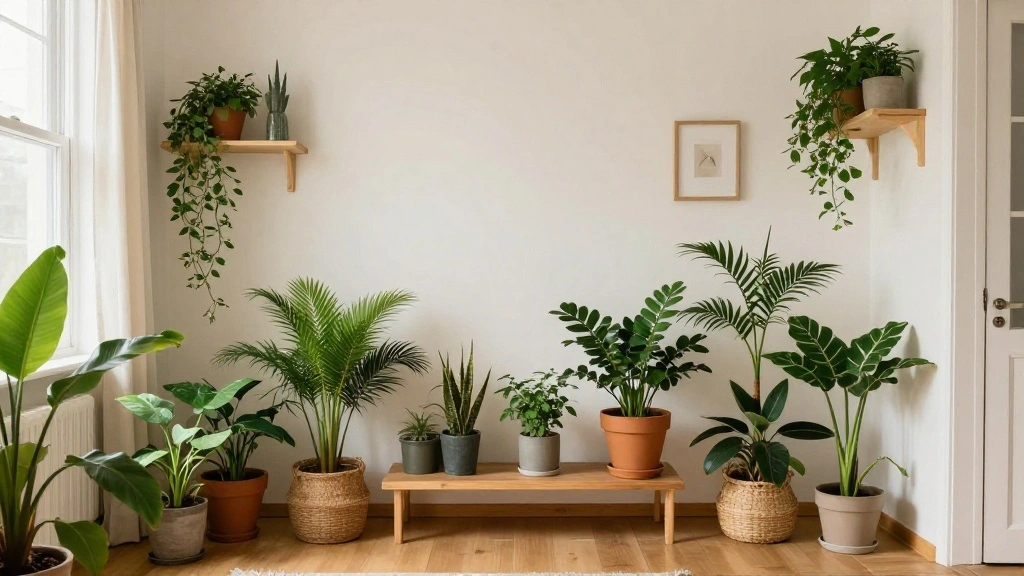
Congratulations! You’ve learned how to effectively style plants in your small apartment. By following these steps, you’ve created a beautiful and inviting space filled with life. Now that you’ve styled your plants, consider expanding your collection or experimenting with new arrangements to keep things fresh.
Next, explore local plant nurseries or online resources for more plant care tips, or join a community of plant lovers to share your journey. Enjoy the many benefits that plants bring to your home and well-being!