

Keeping plants alive in a low-light apartment can be a challenge. Many people struggle to maintain greenery in spaces that do not receive adequate sunlight, leading to wilting leaves and eventually dead plants. If you find yourself in this predicament, you’re not alone!
Fortunately, this guide will help you transform your low-light apartment into a thriving habitat for your plants. By following simple and effective strategies, you will learn how to choose the right plants, create optimal conditions, and care for them properly.
In this guide, you will specifically learn about selecting low-light plants, adjusting watering habits, and using artificial lighting to your advantage.
This guide is designed for beginners and should take about 2-3 hours to implement fully.
Whether you are an experienced plant parent or just starting out, you will walk away with actionable tips to keep your plants vibrant and healthy.
TL;DR Summary
– Choose low-light tolerant plants like snake plants and pothos.
– Adjust your watering habits to prevent overwatering.
– Consider using grow lights to supplement natural light.
– Maintain humidity levels to keep plants healthy.
TL;DR Summary
Editor’s Choice

Costa Farms Live Indoor House Plants (3-Pack), Hand Selected Easy to Mai…


Live Pothos Plants (4PK) Indoor Plants Live Houseplants, Pothos Live Pla…
Prerequisites/Materials Needed
- Low-light tolerant plants (e.g., snake plant, pothos, ZZ plant) – 2-3 plants
- Potting soil – 1 bag
- Pots with drainage holes – 2-3
- Watering can – 1
- Grow light (optional) – 1
- Humidity tray (optional) – 1
Prerequisites/Materials Needed
Editor’s Choice

Miracle-Gro Potting Mix – For Container Plants, Flowers, Vegetables, Shr…

CG Hunter Faux Snake Plant, Premium Artificial Indoor Plant Stands 30”…

GooingTop LED Grow Light,6000K Full Spectrum Clip Plant Growing Lamp wit…
Skill Level & Time Estimate
Skill Level: beginner
Total time estimate: 2-3 hours for the entire process including plant setup and care.
Skill Level & Time Estimate
Editor’s Choice

Aokrean Plant Grow Light, 48 LEDs Full Spectrum Grow Lights for Indoor P…
Costa Farms Live Indoor House Plants (3-Pack), Hand Selected Easy to Mai…

MOONSOUND Self Watering Globes for Plants – 10pcs Automatic Watering Bul…
Step 1: Choose the Right Plants
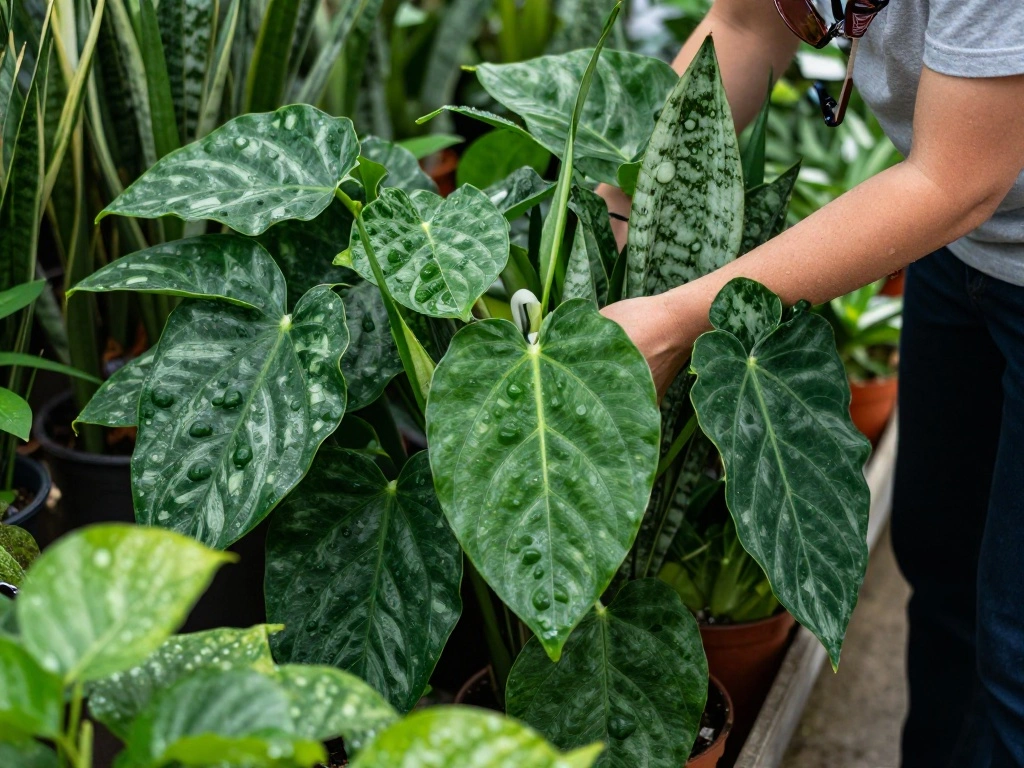
Selecting plants that thrive in low-light conditions is crucial for success. Here are the steps to choose the right ones:
- Research low-light tolerant plants. Look for options such as snake plants, pothos, and ZZ plants.
- Purchase your plants from a reputable nursery or garden center to ensure they are healthy.
- Check the plant’s condition before buying; look for signs of pests or disease.
Pro Tip: Snake plants are particularly hardy and can survive in minimal light!
Why this matters: Choosing the right plants sets the foundation for a thriving indoor garden.
Time estimate: 30 minutes.
Step 1: Choose the Right Plants
Editor’s Choice

Epipremnum Aureum Leaves, Green Vines Fake Plant Vine Leaves, Hanging Fa…
Step 2: Use Appropriate Potting Soil
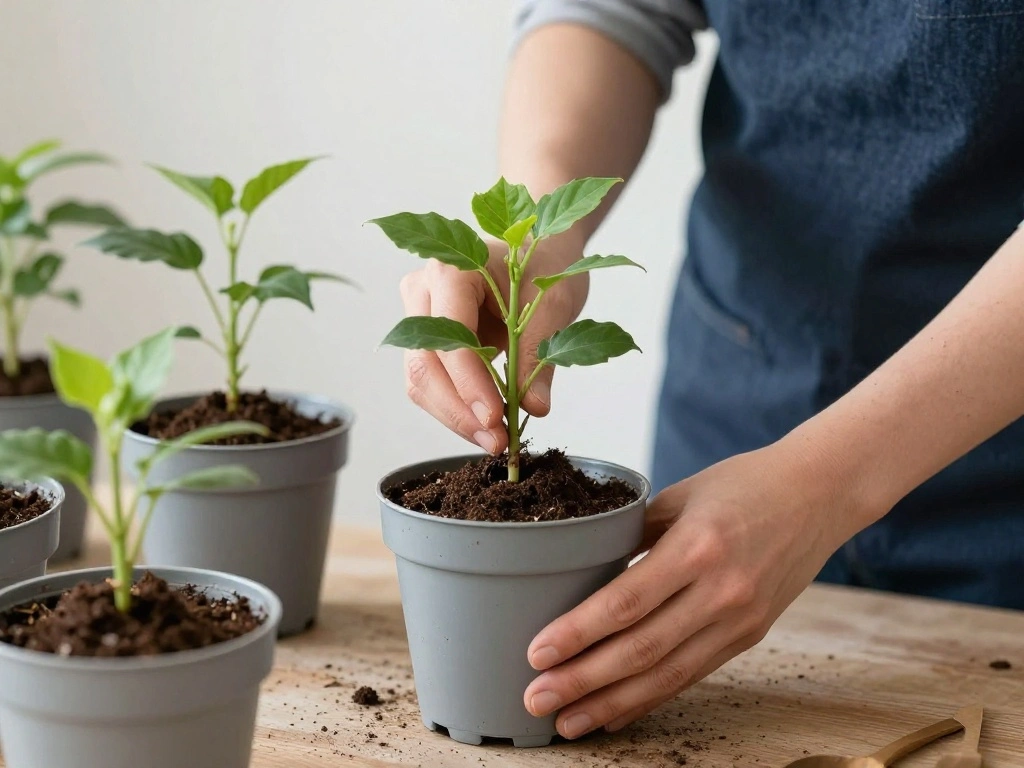
Using the right potting soil is essential for plant health. Follow these steps:
- Choose a well-draining potting mix to prevent root rot.
- Fill your pots with soil, leaving about an inch of space from the top.
- Gently remove the plant from its nursery pot and place it in the new pot with soil.
Pro Tip: Look for soil blends specifically designed for indoor plants.
Why this matters: Good soil ensures that your plants receive the necessary nutrients while avoiding excess moisture.
Time estimate: 20 minutes.
Step 2: Use Appropriate Potting Soil
Editor’s Choice

Miracle-Gro Indoor Potting Mix for All Plants, Use with Houseplants and …

Back to the Roots 100% Organic Perlite | Made in the USA | Premium Nutri…
Step 3: Position Your Plants Wisely
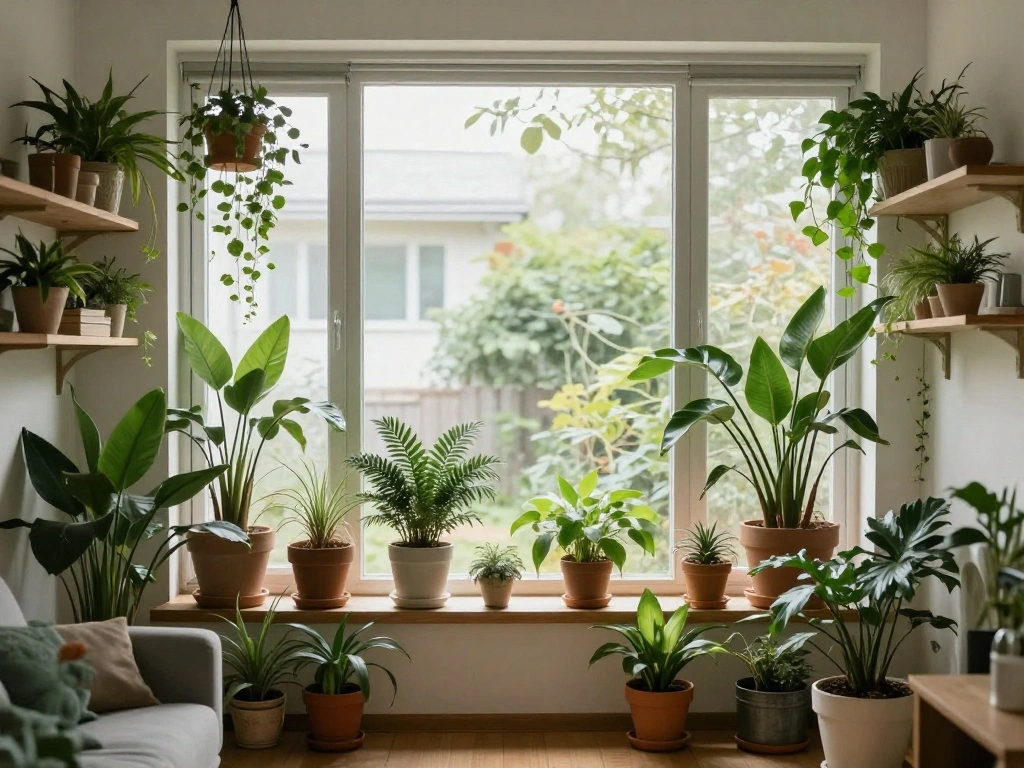
Where you place your plants can significantly affect their growth. Here’s how to position them:
- Identify areas in your apartment that receive indirect light.
- Place your plants near windows, but avoid direct sunlight to prevent leaf burn.
- Consider using shelves or hanging planters to utilize vertical space.
Pro Tip: Rotate your plants every few weeks to ensure even growth.
Why this matters: Proper positioning maximizes light exposure and promotes healthy growth.
Time estimate: 15 minutes.
Step 3: Position Your Plants Wisely
Editor’s Choice
GooingTop LED Grow Light,6000K Full Spectrum Clip Plant Growing Lamp wit…

Set of 2-10 Inch Hanging Planters for Indoor Plants with Self-Watering I…

Sbosbo Floating Shelves for Wall, Plant Shelf Indoor, Wall Planters for …
Step 4: Adjust Your Watering Habits

Watering is a critical aspect of plant care. Follow these steps to adjust your watering habits:
- Check the moisture level of the soil before watering. Stick your finger about an inch into the soil; if it feels dry, it’s time to water.
- Water the plants thoroughly until you see water draining from the bottom.
- Reduce watering frequency during winter months when plants are dormant.
Warning: Overwatering can lead to root rot; always err on the side of caution.
Why this matters: Proper watering practices prevent common plant problems and promote healthy growth.
Time estimate: 30 minutes (including checks over a week).
Step 4: Adjust Your Watering Habits
Editor’s Choice

Meowell 4 inch Self Watering Pots for Indoor Plants, 5 Pack Small Flower…

Watering Can for Indoor and Outdoor Plants – Long Spout Water Can for Ga…

XLUX Long Probe Deep Use Soil Moisture Meter, Water Monitor Indicator Se…
Step 5: Consider Grow Lights
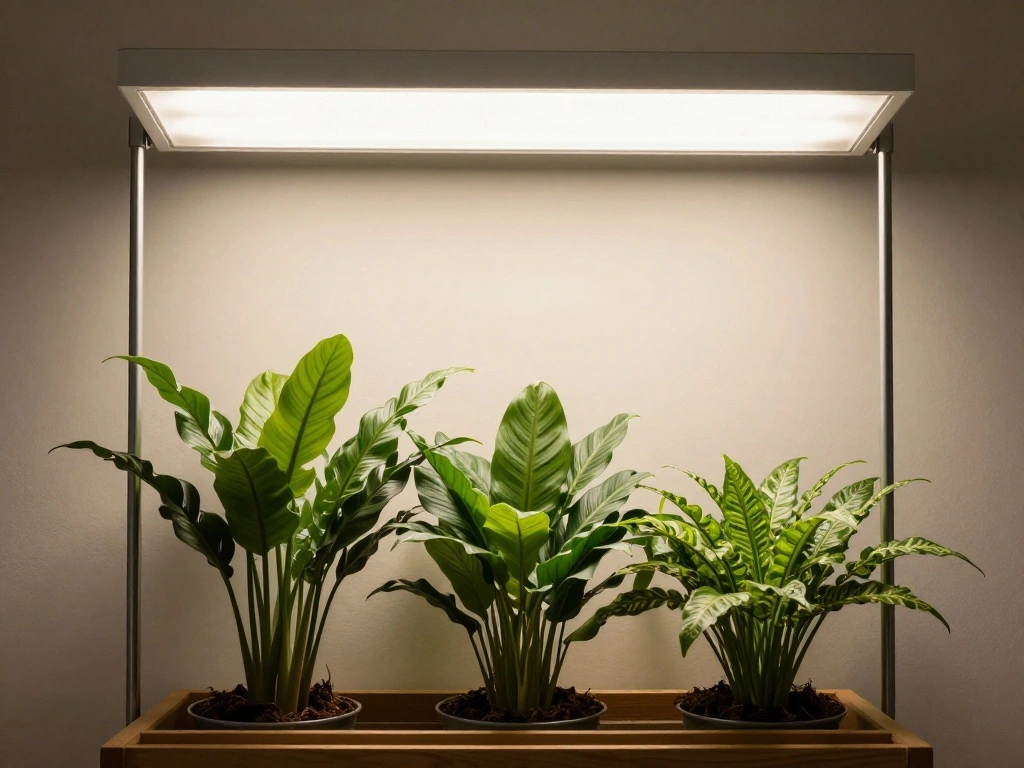
If natural light is insufficient, using grow lights can help. Here’s how to set them up:
- Choose LED grow lights that are energy-efficient and have a suitable spectrum for plant growth.
- Position the light about 12-24 inches above the plants, adjusting as necessary based on plant height.
- Set a timer for 12-16 hours of light per day to mimic natural sunlight.
Pro Tip: Use full-spectrum lights for the best results.
Why this matters: Grow lights can supplement natural light, ensuring your plants get enough energy to thrive.
Time estimate: 30 minutes.
Step 5: Consider Grow Lights
Editor’s Choice

Full Spectrum Light Bulb, 6000K Natural Sunlight Bulbs, 9W 60W Equivalen…
GooingTop LED Grow Light,6000K Full Spectrum Clip Plant Growing Lamp wit…

BN-LINK BND-60/U47 Indoor Mini 24-Hour Mechanical Outlet Timer, 3-Prong,…
Step 6: Maintain Humidity Levels
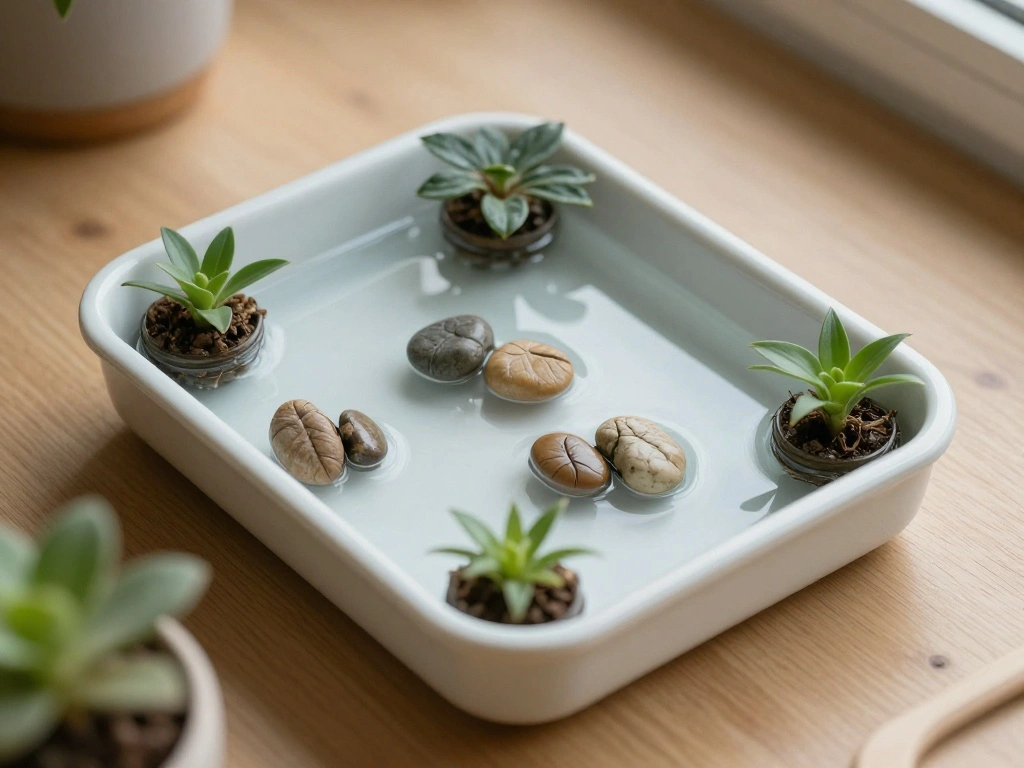
Indoor environments can often be dry, which can stress plants. Here’s how to maintain humidity:
- Use a humidity tray filled with water and pebbles under your plants.
- Group plants together to create a microenvironment with higher humidity.
- Consider using a humidifier in the room for larger collections of plants.
Pro Tip: Check humidity levels with a hygrometer to ensure they meet your plants’ needs.
Why this matters: Adequate humidity prevents leaf drop and promotes healthy growth.
Time estimate: 20 minutes.
Step 6: Maintain Humidity Levels
Editor’s Choice

LEVOIT Top Fill Humidifiers for Bedroom, 2.5L Tank for Large Room, Easy …

Soil Moisture Meter,Plant Hygrometer Moisture Sensor Plant Water Monitor…

Pinkunn 2 Pcs Bonsai Humidity Tray Rectangular Drip Tray Plastic Plant W…
Step 7: Fertilize Sparingly

Using fertilizers correctly can support plant growth. Follow these steps:
- Choose a balanced, water-soluble fertilizer.
- Dilute the fertilizer to half the recommended strength.
- Apply the fertilizer during the growing season (spring and summer) every 4-6 weeks.
Warning: Over-fertilizing can harm your plants, so use sparingly!
Why this matters: Proper fertilization provides essential nutrients without overwhelming your plants.
Time estimate: 15 minutes.
Step 8: Monitor Plant Health Regularly
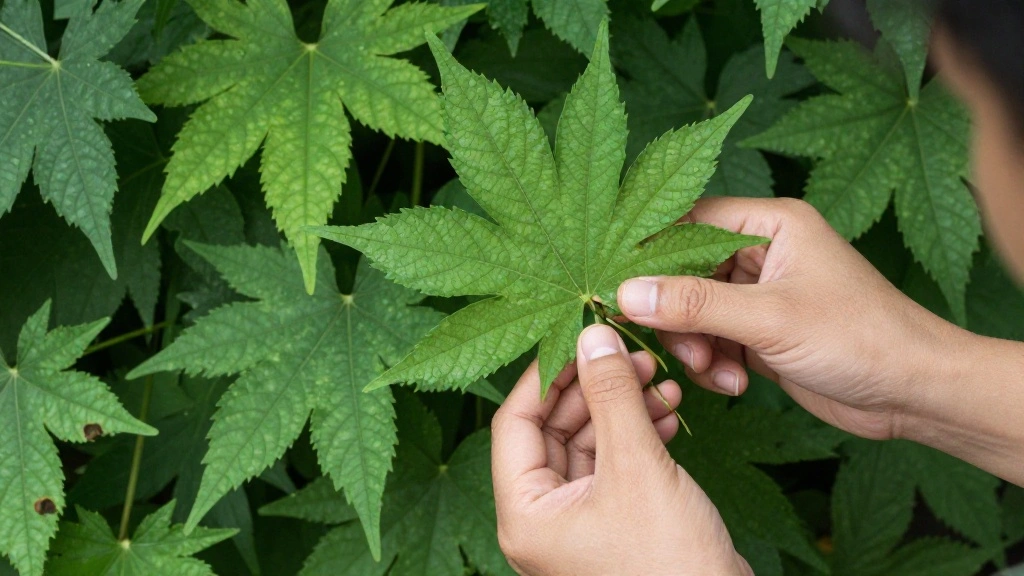
Keeping an eye on your plants ensures they remain healthy. Here’s how to monitor them:
- Check leaves for discoloration, spots, or pests at least once a week.
- Adjust care based on your observations; for example, reduce watering if leaves are yellowing.
- Rotate plants regularly to promote even growth.
Pro Tip: Keep a plant journal to track changes and care routines.
Why this matters: Regular monitoring helps catch issues early, ensuring plant longevity.
Time estimate: 10 minutes weekly.
Step 8: Monitor Plant Health Regularly
Editor’s Choice
XLUX Long Probe Deep Use Soil Moisture Meter, Water Monitor Indicator Se…

Plant Care Journal: Houseplant Journal and Log Book to Keep Track of You…
Pro Tips
- Plant Selection: Always choose plants that are known to thrive in low-light conditions.
- Rotate Plants: Rotate your plants regularly to ensure even exposure to light.
- Observe Growth: Pay attention to any changes in your plants, and adjust care accordingly.
- Humidity Control: Keep humidity levels up, especially during winter months.
- Group Plants: Grouping plants can create a microclimate that benefits all the plants involved.
Pro Tips
Editor’s Choice

Easy to Grow Live Houseplants (6 Pack), Deluxe Collection of Assorted Ai…
Aokrean Plant Grow Light, 48 LEDs Full Spectrum Grow Lights for Indoor P…

TempPro TP49 3 Pieces Digital Hygrometer Indoor Thermometer Humidity Met…
Common Mistakes to Avoid
Warning: Overwatering is a common mistake. It can lead to root rot and plant death. Always check soil moisture before watering.
Warning: Neglecting to research your plants can lead to choosing ones that won’t thrive in your environment. Always check care guides for your specific plants.
Warning: Using the wrong type of fertilizer can harm your plants. Always dilute as recommended and use sparingly.
Common Mistakes to Avoid
Editor’s Choice

Indoor Plant Care 101: The Beginner’s Guide to Happy & Healthy Houseplants

ECOWITT WH51L Soil Moisture Sensor with 1m/3.28ft PVC Wire Probe, LCD Di…

Miracle-Gro Indoor Plant Food for All Plants, Liquid Plant Food for Hous…
Troubleshooting Section
Problem: Leaves are yellowing.
Solution: Check soil moisture; reduce watering if it’s too wet.
Problem: Plant is leggy.
Solution: Move it closer to a light source or use grow lights.
Problem: Brown leaf edges.
Solution: Increase humidity levels or reduce direct exposure to heat sources.
Troubleshooting Section
Editor’s Choice

Grow Light Bulbs, Briignite LED Grow Light Bulb A19 Bulb, Full Spectrum …

TempPro TP50 Digital Hygrometer Indoor Thermometer Room Thermometer and …
Variations/Alternative Methods
You can also use self-watering pots which help regulate moisture levels automatically. Alternatively, consider using terrariums for smaller plants that can thrive in contained environments. Each method comes with pros and cons based on maintenance and aesthetics.
Variations/Alternative Methods
Editor’s Choice

Cute Farms Terrarium Starter Kit | Moss, Vermiculite, Soil, Pebbles, Pla…
Aokrean Plant Grow Light, 48 LEDs Full Spectrum Grow Lights for Indoor P…

8/10/12 Inch Self Watering Pots for Indoor/Outdoor Plants – Large Plasti…
FAQs
What if I don’t have enough natural light?
Consider using grow lights for an adequate light source.
How often should I water my plants?
Check the soil moisture; typically once a week is a good rule of thumb.
Is it safe to use tap water for my plants?
Yes, but let it sit for 24 hours to allow chlorine to dissipate.
FAQs
Editor’s Choice
GooingTop LED Grow Light,6000K Full Spectrum Clip Plant Growing Lamp wit…
XLUX Long Probe Deep Use Soil Moisture Meter, Water Monitor Indicator Se…
Conclusion
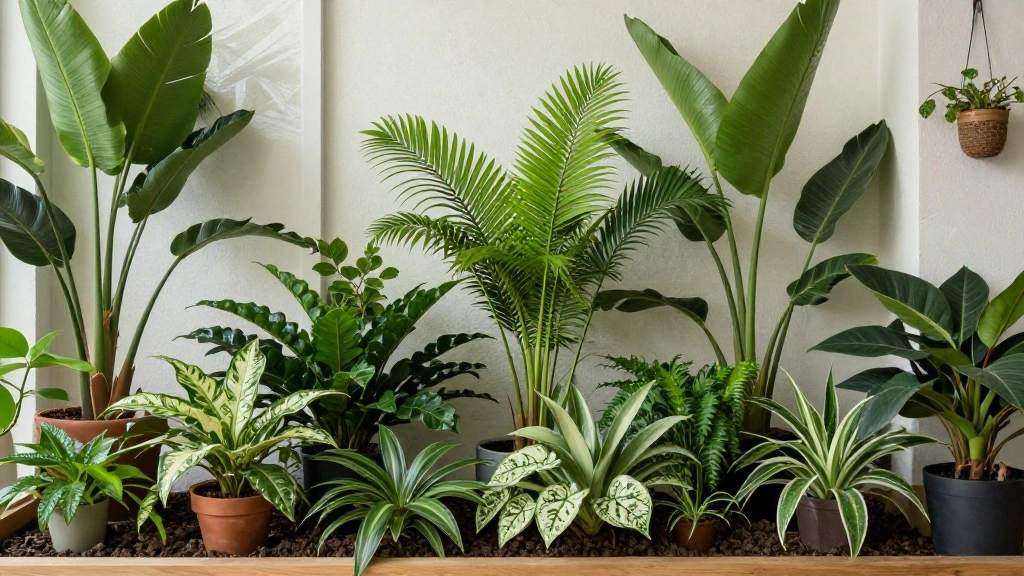
Congratulations on taking the steps to keep your plants alive in a low-light apartment! You’ve learned about plant selection, proper care techniques, and the importance of monitoring your indoor garden. Now that you have the skills, explore more plants or even consider starting a small herb garden in your kitchen window. Remember, every plant is a new opportunity to learn and grow.
Keep nurturing your indoor oasis, and soon you’ll enjoy the beauty and benefits of thriving houseplants!